Top Benefits of Interior Wall WPC for Global Buyers?
As global buyers seek innovative building materials, Interior Wall Wpc stands out. This composite product combines wood and plastic, offering unique advantages. Its durability is a key factor that attracts many.
Interior Wall WPC is resistant to moisture and wear. This makes it ideal for various environments. Buyers often find that maintenance is lower compared to traditional materials. The diverse design options allow for creativity. Whether for commercial spaces or homes, the aesthetics are appealing.
Despite its benefits, some may feel uncertain about the investment. Initial costs can be higher than standard wall materials. However, the long-term savings can outweigh these concerns. Buyers are encouraged to consider the lifecycle and durability of Interior Wall WPC carefully. The choice ultimately impacts both functionality and design in their projects.
Introduction to WPC Interior Wall Panels
WPC (Wood Plastic Composite) interior wall panels represent an innovative solution for modern interiors. These panels combine the durability of plastic with the charming aesthetic of wood. The result is a product that stands up to moisture, mold, and mildew, making it suitable for diverse environments. According to a recent market research report, the global WPC market is projected to reach $9.19 billion by 2027, underscoring its growing popularity.
One compelling aspect of WPC panels is their eco-friendly nature. Made from recycled materials, they contribute to sustainability. In fact, the production of WPC panels can reduce greenhouse gas emissions by up to 45% compared to traditional wood products. With a wide range of finishes available, WPC panels offer versatile design options for both residential and commercial spaces.
However, it's essential to consider some challenges. While WPC is resistant to many environmental factors, it can still warp under extreme conditions. Additionally, the initial cost may be higher compared to conventional wall materials. Yet, the long-term benefits often outweigh these concerns. High-quality WPC panels require minimal maintenance, providing cost savings in the long run for buyers.
Advantages of Using WPC for Interior Wall Applications
The use of Wood Plastic Composite (WPC) for interior wall applications is gaining traction among global buyers. WPC combines wood fibers and plastic, resulting in a durable, moisture-resistant material. According to industry reports, the global WPC market is expected to grow significantly, reaching USD 10.3 billion by 2025. This trend highlights its rising popularity in construction and design.
One major advantage of WPC is its low maintenance requirement. Unlike traditional materials, WPC does not require regular painting or sealing. This saves both time and money in the long run. Moreover, WPC is resistant to mold and pests. This quality is especially appealing in climates with high humidity. However, it’s essential to ensure proper installation to maximize these benefits.
Aesthetic versatility is another key feature of WPC. It comes in various colors and textures, allowing designers to create unique interior spaces. Yet, it can sometimes be challenging to find the perfect finish that meets specific design needs. According to a recent survey, 68% of interior designers prefer WPC for its sustainability and design flexibility. However, not all WPC products are created equal, so research is crucial for making informed choices.
Environmental Benefits of WPC Materials
WPC, or Wood Plastic Composite, is gaining traction in interior wall applications due to its environmental benefits. Composed of recycled wood fibers and thermoplastics, WPC utilizes up to 90% recycled materials. This significantly reduces waste in landfills. According to industry reports, using WPC can decrease carbon emissions by approximately 50% compared to traditional building materials.
Another advantage is its longevity. WPC does not warp, splinter, or decay as easily as wood. This durability leads to lower maintenance costs and longer-lasting installations. The lifespan of WPC can exceed 25 years, offering a sustainable option for construction and renovation projects. As stated in recent studies, the lifecycle benefits can save time and resources, which should appeal to many buyers.
Despite these advantages, there are challenges. The initial costs for some WPC products may be higher than that of conventional materials. Buyers need to weigh these upfront expenses against long-term benefits. Finding reputable WPC suppliers is crucial, as quality can vary significantly in the market. Evaluating the environmental certifications of the materials is essential to ensure responsible choices.
Top Benefits of Interior Wall WPC for Global Buyers
| Benefit Category | Description | Environmental Impact |
| Sustainability | WPC is made from recycled materials, contributing to waste reduction. | Reduces reliance on virgin wood and promotes recycling. |
| Durability | Highly resistant to rot, moisture, and insects, ensuring a longer lifecycle. | Less frequent replacements reduce material waste over time. |
| Energy Efficiency | Provides better insulation properties compared to traditional materials. | Lower energy consumption for heating and cooling, contributing to reduced carbon footprint. |
| Low Maintenance | Requires minimal upkeep compared to conventional wood products. | Less maintenance means reduced use of chemical cleaners. |
| Versatility | Available in various designs and finishes, suitable for diverse applications. | Encourages creative, sustainable design practices in architecture and construction. |
Cost-Efficiency of WPC in Construction Projects
The construction industry is increasingly leaning towards Wood Plastic Composites (WPC) for interior walls. This shift is largely due to the cost-efficiency of WPC in various projects. Data from industry reports indicate that WPC can reduce installation costs by up to 30% compared to traditional materials. This significant savings is appealing to global buyers looking to optimize their budgets.
Moreover, WPC offers durability and lower maintenance costs. Reports show that buildings using WPC see a 20% reduction in upkeep expenses over time. While some argue about the longevity of WPC, its lifespan can exceed 25 years when properly installed. Additionally, many projects face challenges in sourcing reliable materials. WPC can often be procured more easily than traditional wood products, which can fluctuate in availability and pricing.
However, there are still concerns about the environmental impact of WPC. Some critics cite that the production processes may not align with sustainable practices. It is essential for buyers to ensure that their suppliers adhere to eco-friendly standards. Although WPC has promising benefits, a thorough evaluation of long-term sustainability should be conducted. This reflection can help buyers make informed decisions while balancing cost and environmental responsibilities.
Design Flexibility and Aesthetic Appeal of WPC Walls
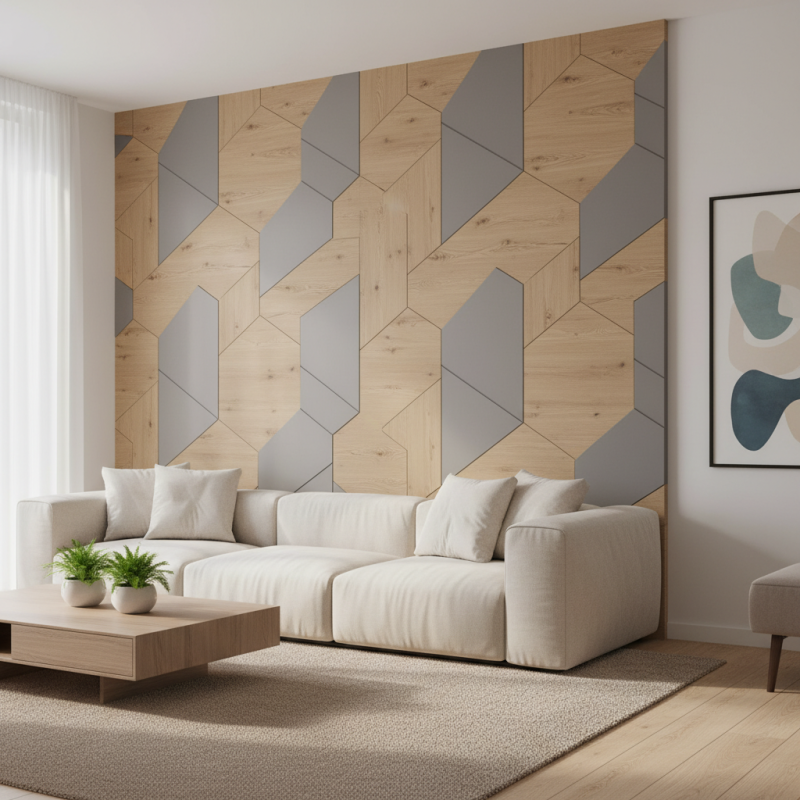
WPC walls offer incredible design flexibility and aesthetic appeal, making them a sought-after option for interior spaces. These composite materials combine wood fibers and plastic, resulting in walls that mimic natural textures without the maintenance. The variety of colors and finishes available allows designers to create unique environments tailored to individual tastes.
A common approach is to mix different WPC profiles. This can create appealing patterns that bring depth to a space. Mindful selection of textures can transform a simple room into an inviting haven. Incorporating natural elements like plants against WPC walls enhances the organic feel.
When designing with WPC, consider lighting carefully. Light can accentuate the rich textures and colors of the wall. Experimenting with various light sources can yield surprising effects. Be open to changing arrangements to see what resonates best with the overall theme.
Focusing on the tactile quality of surfaces can help in choosing the right finishes. Users often underestimate how touch impacts design choices. Reflecting on personal experiences can lead to better decisions in design.