Top 10 Benefits of Using Poly Granules for Your Business?
Poly Granules have emerged as a game-changer in various industries. Their versatility offers a multitude of advantages for businesses looking to enhance productivity and efficiency. Many companies are now turning to Poly Granules as a reliable material for their operations. The cost-effectiveness of Poly Granules stands out, enabling organizations to optimize their budgets without compromising quality.
These granules provide superior durability and resistance to environmental factors. Businesses enjoy longer-lasting products, which translates into fewer replacements and repairs. Additionally, Poly Granules are lightweight, making them easier to handle and transport. However, it is essential to consider the potential downsides. For instance, not all types of poly granules are suitable for every application. Businesses must carefully match the right granular type to their specific needs.
The environmental impact is another critical factor worth mentioning. While many manufacturers focus on the efficiency of Poly Granules, some do not prioritize eco-friendly practices. This raises questions about sustainability in the long term. Therefore, it is crucial for businesses to research and choose suppliers who are responsible and transparent. Embracing Poly Granules can indeed elevate your business, but never overlook the need for informed decision-making.
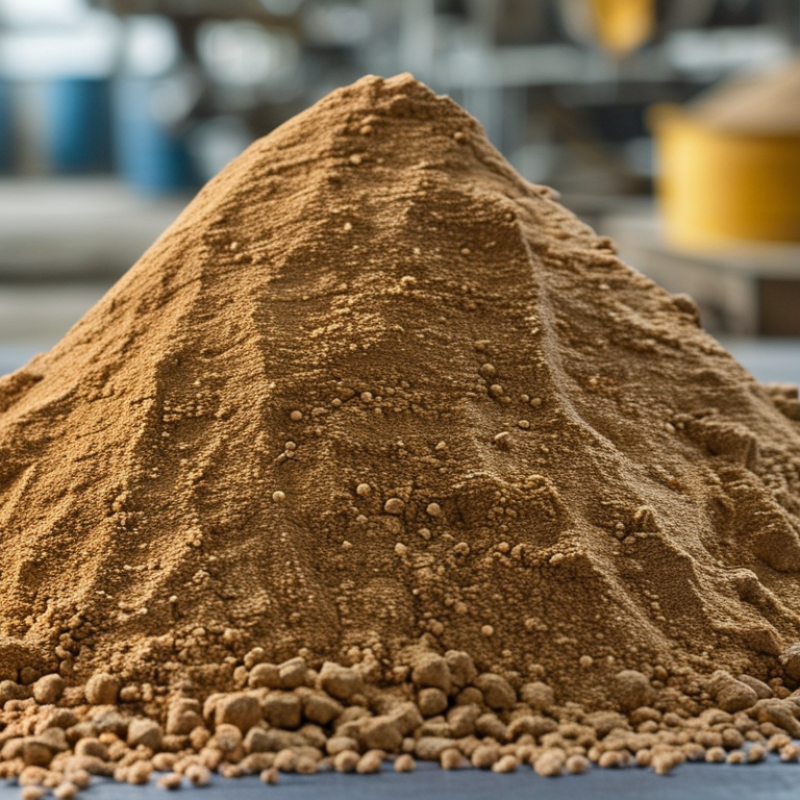
Advantages of Poly Granules in Cost Reduction for Businesses
Poly granules have emerged as a vital component for businesses aiming to enhance efficiency. Their lightweight nature reduces shipping costs, directly impacting bottom lines. Businesses can also minimize storage expenses due to their compact form. This translates to less space usage, making inventory management easier.
Another key advantage lies in waste reduction. By utilizing poly granules, companies can optimize production processes. This means less material wasted during manufacturing. Improved production efficiency can lead to lower operational costs. Cost savings become significant over time, giving businesses an edge in competitive markets.
It's worth noting that transitioning to poly granules may require an upfront investment. Some businesses may hesitate due to changing existing processes. However, the long-term benefits often justify the shift. Assessing potential savings against initial costs can provide valuable insights. Being mindful of these factors is crucial for sustained growth.
Enhancing Product Durability with Poly Granules
Poly granules have gained popularity in various industries, particularly for enhancing product durability. These granules are known for their robustness and versatility. Businesses that integrate poly granules into their production processes experience longer-lasting products. This durability is crucial for retaining customer satisfaction and trust.
When considering poly granules, it’s essential to evaluate the specifics of your application. Each granule type may possess unique properties that influence performance. For instance, some granules offer better resistance to chemicals, while others shine in temperature stability. Conduct thorough testing to find the optimal granule for your needs.
Tip: Collaborate with material experts to analyze how different poly granules meet your durability requirements. Their insights can guide you toward making informed decisions.
Additionally, think about long-term sustainability. Using poly granules can reduce waste, but improper disposal still poses challenges. Reflect on how your business can implement eco-friendly practices when working with these materials. Balancing performance and sustainability is key in today’s market.
Improving Production Efficiency through Poly Granules
Poly granules are increasingly recognized for their role in enhancing production efficiency. A report from the Plastics Industry Association notes that incorporating poly granules can lead to a 15-20% increase in production rates. These granules allow for uniform melting and better flow properties during processing, which is crucial in manufacturing. This improved melt flow contributes directly to reduced cycle times.
Incorporating poly granules can also improve product consistency. A study found that companies using these granules saw a 30% decrease in defects. This not only boosts productivity but also reduces costs associated with rework and waste. It's essential to note, however, that switching to poly granules requires a careful evaluation of existing processes. Not all machinery may be optimized for this material, leading some businesses to face initial challenges during transition.
Moreover, it's vital to consider environmental impacts. While poly granules are made from recyclable materials, their production process can be resource-intensive. Businesses need to weigh the benefits of efficiency gains against potential sustainability concerns. Investing in proper training can help mitigate initial hurdles and ensure a smoother integration of poly granules into existing workflows.
Environmental Sustainability Benefits of Using Poly Granules
Using poly granules offers significant environmental sustainability benefits. These materials are often made from recycled plastics, which helps reduce waste. When companies choose poly granules, they contribute to a circular economy. This not only conserves resources but also minimizes pollution caused by conventional plastic production.
Poly granules can be reused multiple times, reducing the need for new raw materials. The production process for these granules typically consumes less energy than traditional methods. This means lower carbon emissions. However, companies still face challenges in sourcing high-quality granules. Some suppliers may not meet necessary environmental standards. Thus, businesses must take extra care to vet their suppliers.
By incorporating poly granules into their processes, businesses can enhance their sustainability image. This appeal can attract eco-conscious customers. Yet, relying solely on poly granules may not be enough. Companies should also explore other sustainable practices. Balancing poly granule use with ongoing environmental efforts can create a more comprehensive strategy for sustainability.
Versatility of Poly Granules Across Various Industries
Poly granules are gaining traction across various industries. Their versatility makes them ideal for applications ranging from automotive parts to medical supplies. In the automotive sector, these granules are used for producing lightweight components. This helps improve fuel efficiency. The durability of poly granules adds value as well.
In packaging, poly granules excel in creating flexible and robust materials. Their resistance to moisture ensures product safety during transport. Additionally, the food industry benefits from their capability to create safe, non-toxic containers. However, it's crucial for businesses to ensure the granules meet regulatory standards.
The construction industry also recognizes their potential. Poly granules can be utilized in insulation materials, enhancing energy efficiency in buildings. Yet, companies must consider the environmental impact. Innovative solutions should address sustainability challenges. Frequent assessments of sourcing practices are recommended. This ensures only high-quality, eco-friendly granules are used.