How to Choose the Best Textile Equipment for Your Business?
Choosing the right Textile Equipment can make or break your business. In 2023, the global textile machinery market is expected to reach $25 billion. This growth illustrates the critical role that advanced machinery plays in boosting efficiency and quality. Knowing which equipment best suits your needs is essential.
Various factors should influence your decision. Consider the type of textiles you produce. Each fabric has unique requirements. For instance, machines designed for woven fabrics differ greatly from those for knits. Moreover, energy efficiency is increasingly important. Reports indicate that energy-efficient machines can reduce operational costs by up to 30%.
Investing in textile equipment requires careful reflection. Not every piece of machinery is universally compatible with your processes. Researching technology trends is vital. The rise of automation may also present opportunities. Understanding your production goals will significantly impact your choice. In the world of textiles, the right equipment is not just an asset; it's a necessity.
Understanding the Types of Textile Equipment for Different Fabrics
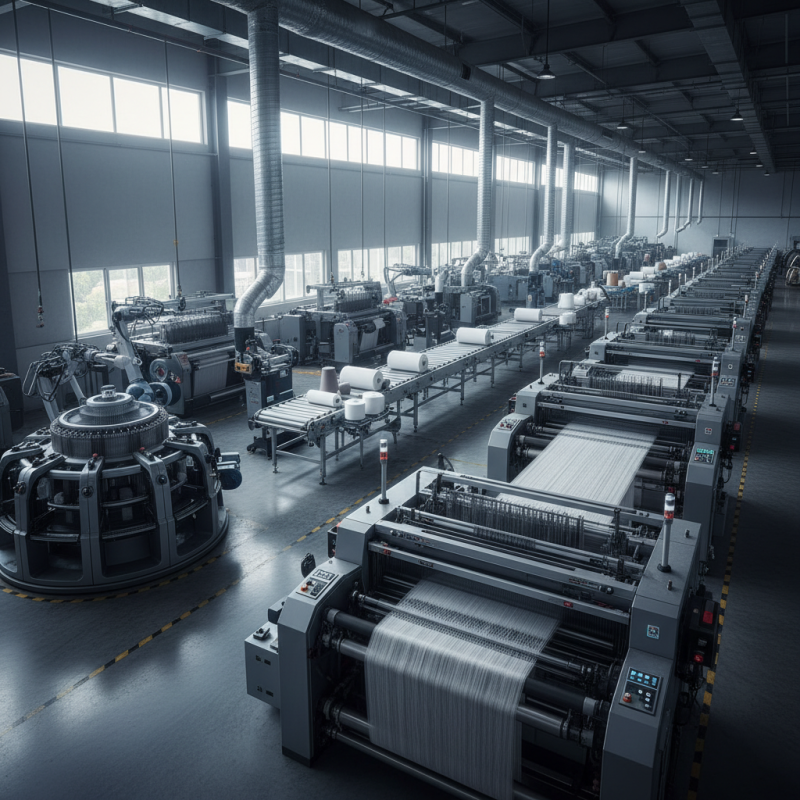
Choosing the right textile equipment is crucial for your business. Different fabrics require specific machinery to achieve optimal results. For instance, woven fabrics often call for looms with precise settings. These looms are essential for maintaining tight weaves and complex patterns. Without the right loom, your production may suffer from inconsistencies.
Knitted fabrics, on the other hand, require knitting machines that offer flexibility. These machines can handle various yarn types and allow for intricate designs. It’s important to assess the range of fabrics you will be working with. A machine that excels in one area may not suit another fabric well. Before investing, consider testing different machines to find the best match.
Moreover, consider your production scale. Some machines are designed for high-volume output, while others are better for small batches. This decision can significantly impact your workflow and efficiency. Reflect on your long-term goals; investing too quickly in high-end machinery might strain your budget. Take time to research, compare options, and consult experienced professionals in the field.
Evaluating Key Features of Textile Equipment for Optimal Performance
When selecting textile equipment, focus on key features that ensure performance. Evaluate technology integration, such as automation and analytics. Advanced machinery enhances efficiency, cutting down production time. According to a report by Smithers Pira, automated systems can reduce labor costs by up to 30%. This not only boosts productivity but also improves accuracy in fabric production.
Consider energy efficiency as a critical factor. Machinery that uses less power can significantly lower operational costs. The International Energy Agency states that energy-efficient equipment can reduce greenhouse gas emissions by 40% in the textile sector. It's essential to review equipment models for energy-saving certifications.
Tip: Always analyze maintenance and support services. Reliable equipment should have strong manufacturer support. Delays in repairs can disrupt production. Additionally, explore user reviews to gauge long-term performance. Some machines may underperform despite initial promises. Thorough research can uncover potential red flags. Prioritize equipment that is adaptable to changing production needs.
How to Choose the Best Textile Equipment for Your Business? - Evaluating Key Features of Textile Equipment for Optimal Performance
| Equipment Type | Key Features | Performance Metrics | Cost Range (USD) |
| Sewing Machine | Automatic thread cutter, adjustable speed, multiple stitch patterns | 5,000 stitches/minute | 800 - 3,000 |
| Textile Printer | High-resolution printing, eco-friendly inks, fast drying | 120 square meters/hour | 15,000 - 50,000 |
| Fabric Cutter | Laser cutting, precision cutting, software integration | 100 cuts/minute | 5,000 - 25,000 |
| Embroidery Machine | Multi-needle, computer controlled, large hoop sizes | 1,000 stitches/hour | 1,500 - 10,000 |
| Weaving Loom | Automatic shuttle, easy pattern change, high speed | 800 picks/minute | 20,000 - 100,000 |
Analyzing Cost vs. Quality: Making Informed Investment Decisions
When investing in textile equipment, it's crucial to analyze cost versus quality. A well-priced machine may look appealing, but cutting corners can lead to hidden costs later. Equipment that breaks down frequently requires additional repairs and lost productivity. On the other hand, high-quality tools tend to provide longevity and efficiency. This can result in savings over time, despite a higher initial investment.
Understanding your specific needs is essential. For instance, a small business may not require industrial-level equipment but still needs reliability. Investing in machinery that meets your production demands is wise. However, some might rush into purchases without thorough research, which can backfire. Seek expert opinions, and consider the total cost of ownership, not just the sticker price. It’s about balancing immediate budget constraints with long-term returns.
Choosing equipment is a significant decision. It’s not just about the price tag. Reflect on the actual value you gain. Quality machines often come with vendor support and warranty options. Practically, this means less downtime and better performance. However, decision-makers should remain cautious. Not every high-priced item meets expectations. A solid understanding of your business needs, combined with careful evaluation, leads to more informed investments.
Assessing the Latest Technological Innovations in Textile Machinery
When evaluating the latest technological innovations in textile machinery, it’s crucial to focus on automation and efficiency. Recent industry reports indicate that automation can increase productivity by up to 30%. It reduces labor costs and enhances precision. Machines utilizing AI-driven processes learn and adapt, optimizing production cycles.
Investing in smart machines can significantly improve your output. For instance, equipment with IoT connectivity allows for real-time monitoring. This leads to reduced downtime, as you can detect issues before they escalate. However, don’t overlook the need for skilled technicians to maintain and optimize these high-tech solutions. The reliance on technology may inadvertently create skill gaps.
Tips: Evaluate your current equipment and identify areas for improvement. Look for machinery that can integrate with existing systems seamlessly. Remember to assess the long-term cost benefits versus initial investment. While cutting-edge technology brings clear advantages, careful planning is essential for a successful transition.
Analysis of Textile Machinery Innovations
Researching Industry Standards and Compliance for Textile Equipment Selection
When selecting textile equipment, understanding industry standards is crucial. Researching compliance regulations helps maintain quality and safety. Various organizations set benchmarks that ensure equipment meets the necessary safety and health requirements. Familiarizing yourself with these standards can save time and potential legal issues.
Evaluating equipment against established guidelines allows businesses to make informed decisions. It is essential to consider how well the equipment aligns with both production needs and industry regulations. This could include everything from safety features to energy efficiency. Gathering feedback from industry experts can offer additional insights. However, securing expert opinions highlights the importance of balancing cost and compliance.
Additionally, many businesses may overlook the significance of regular equipment audits. These audits can identify potential regulatory gaps in compliance. A proactive approach helps avoid fines and equipment-related failures. Being diligent in equipment selection reflects a commitment to quality and accountability in your business operations.