How to Choose High Performance Urethanes for Your Projects?
Choosing the right materials is vital for project success. High Performance Urethanes stand out for their durability and versatility. These materials are often used in critical applications, from automotive to healthcare.
When selecting High Performance Urethanes, consider specific project needs. Factors like temperature resistance, flexibility, and load-bearing capacity play a crucial role. It's essential to analyze how these factors align with your project's goals. You may find that not all options are suitable.
Reflect on potential challenges during the decision-making process. Sometimes, the best choice may not be the most obvious. Testing samples and consulting with experts can reveal insights. Balancing cost and performance can be tricky. High Performance Urethanes may require a higher initial investment, but their long-term benefits are often worth it. Dive deep into the details to make informed decisions.
Understanding Urethanes: Types and Applications for High Performance
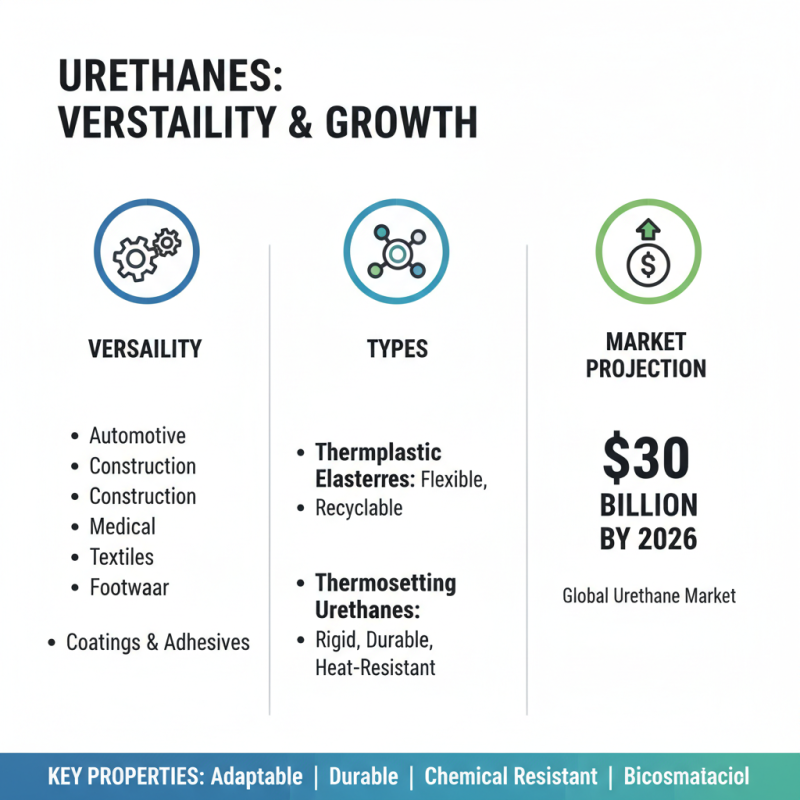
Urethanes are versatile materials widely used in various industries. They come in different types, including thermoplastic elastomers and thermosetting urethanes. Each type offers unique properties suitable for specific applications. According to industry reports, the global urethane market is projected to reach $30 billion by 2026, reflecting their growing importance.
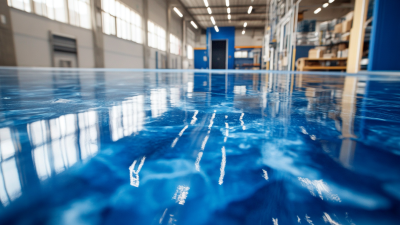
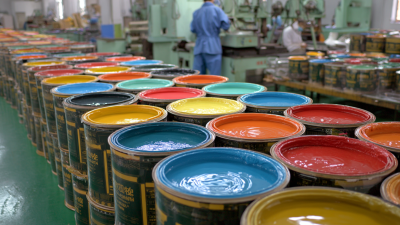
When selecting urethanes, consider their performance characteristics. For example, thermoplastic elastomers provide excellent flexibility and impact resistance. They are often used in automotive components. On the other hand, thermosetting urethanes are known for their durability and chemical resistance. They are ideal for coatings and adhesives in industrial settings. However, not every application will benefit from these materials equally.
It's crucial to evaluate the specific requirements of your project. Understand the performance needs and environmental factors at play. Testing different formulations can provide insights into their effectiveness. While urethanes are generally reliable, improper selection can lead to failures. Be mindful of the possible limitations and ensure that the chosen product meets your performance expectations.
Key Properties to Consider When Selecting Urethanes for Your Project
Choosing the right urethane for your project can be challenging. Key properties significantly impact performance. These include hardness, elasticity, and resistance to wear. Hardness affects how well the urethane can withstand stress. The Shore hardness scale provides valuable insights. For instance, urethanes with a Shore A hardness between 80-90 are commonly used in automotive applications. This range offers a perfect balance between flexibility and durability.
Elasticity is another critical factor. High-performance urethanes often exhibit superior elongation at break. According to a recent industry report, top tier urethanes can stretch up to 600% of their original length. This flexibility allows them to absorb shocks without cracking. However, some formulations may not provide adequate recovery, leading to permanent deformation over time.
Resistance to chemicals and UV light also plays a vital role. Urethanes exposed to harsh environments can degrade quickly. A report indicates that 40% of urethane failures result from inadequate resistance to chemical agents. Understanding your project’s specific conditions can help you select a better-performing material. Consider these properties to ensure the success of your project.
How to Choose High Performance Urethanes for Your Projects? - Key Properties to Consider When Selecting Urethanes for Your Project
| Property |
Description |
Importance |
| Tensile Strength |
The maximum stress a material can withstand while being stretched or pulled before breaking. |
Critical for applications where materials are under constant tension. |
| Hardness |
A measure of how resistant a material is to deformation or indentation. |
Important for wear resistance and mechanical performance. |
| Chemical Resistance |
Ability to withstand exposure to various chemicals without degradation. |
Essential for applications in harsh environments or contact with solvents. |
| Elongation at Break |
The percentage increase in length that a material can withstand before rupture. |
Desirable for flexibility and durability in dynamic applications. |
| Temperature Resistance |
The ability of a material to retain properties at various temperatures. |
Crucial for applications exposed to heat or extreme cold. |
| Abrasion Resistance |
The ability to withstand wear and tear from friction or contact with rough surfaces. |
Important for long-lasting products in high-friction scenarios. |
Evaluating Urethane Suppliers: What to Look For and Questions to Ask
When evaluating urethane suppliers, start by assessing their experience. Years in the industry can indicate reliability. Newer suppliers might offer innovation but lack track records. Ask about past projects they’ve completed. Specifics matter. Look for case studies or testimonials that showcase their work. Understand their capabilities fully before moving forward.
Consider the quality of materials used. High-performance urethanes require specific formulations. Ask suppliers to detail their sourcing practices. Which raw materials do they prioritize? Transparency in these details builds trust. Compliance with industry standards is crucial. Suppliers should readily provide documentation proving their materials meet regulatory requirements.
Communication is another key factor. How do they respond to your queries? Are they approachable? A supplier should listen to your project needs. Challenges may arise during collaboration. Reflect on how well they navigate these situations. The right partner will provide solutions, not just products. Make sure you feel comfortable discussing concerns openly. This relationship matters more than you might realize.
Testing and Quality Assurance in Urethane Selection Processes
Selecting high-performance urethanes for projects requires thorough testing and quality assurance. These processes play a critical role in identifying the right materials. According to a recent industry report, over 70% of urethane failures stem from inadequate testing methods. Each test measures various properties such as tensile strength, elongation, and hardness. Quality assurance ensures that materials meet specific standards.
One common oversight in urethane selection is the reliance on standardized tests alone. While important, they do not capture real-world performance. For example, field testing can reveal how urethanes react under extreme conditions. The American Urethane Association indicates that real-world applications often differ significantly from lab results. Companies must consider environmental factors, application methods, and longevity.
Moreover, documentation can sometimes be lacking. Detailed records of past projects and their materials help inform better choices. Many firms overlook this aspect, leading to repeated mistakes. Documentation fosters a deeper understanding of material performance over time. This reflection can guide future projects toward successful outcomes.
Cost vs. Performance: Making Informed Choices in Urethane Sourcing
When considering urethane sourcing, the balance between cost and performance is crucial. Research indicates that high-performance urethanes can improve project longevity and efficiency. For instance, a study by the American Urethane Society found that selecting the right material can reduce maintenance costs by up to 30%. This highlights the importance of informed choices.
Tips: Always assess the specific needs of your project. Understand the operating conditions your urethane will encounter. This ensures you select a formulation that meets requirements without overspending. Also, take into account the lifecycle of the urethane to judge its true cost.
It's not uncommon to feel overwhelmed by the multitude of options. Many projects suffer from opting for lower-cost materials that lack durability. This can lead to frequent replacements, ultimately costing more in the long run. Focus on value, not just price. Pay attention to the performance data provided by suppliers. Quantifying performance metrics can lead to better decision-making in urethane sourcing.