Skip to Content

Liquid Molding Monthly

How to Choose the Best Coating Epoxy Resin?

Choosing the best Coating Epoxy Resin begins with the surface, not the product label. Concrete, steel, wood, and composite panels each respond differently. A resin that performs well on a warehouse floor may fail on a damp metal structure. Dr. Roger Talbert, a respected coatings consultant and author, stated, “Surface preparation is the key to coating performance.” That principle still matters when selecting modern epoxy systems.

Inspect the substrate carefully. Look for oil, dust, laitance, rust, cracks, and hidden moisture. A clean-looking floor may still contain vapor beneath its surface. Measure moisture before mixing anything. Then match the resin to the working conditions. Consider abrasion, chemical exposure, temperature, sunlight, curing time, and expected traffic. A thin decorative coating cannot replace a heavy-duty industrial system.

Read the technical data sheet closely. Check the mixing ratio, pot life, coverage rate, recoat window, and full-cure time. Small details matter. For example, a resin may feel dry after eight hours but remain vulnerable to tire marks. In my experience, rushed preparation causes more failures than poor chemistry. That is not always convenient. It is also easy to overlook.

You should compare adhesion strength, hardness, flexibility, and application temperature. Ask the supplier for test data and project references. If possible, apply a small sample area first. Observe gloss, leveling, odor, and edge coverage. The “best” Coating Epoxy Resin is rarely the most expensive option. It is the system that suits the substrate, environment, installer, and maintenance plan. Choosing well requires evidence, patience, and a willingness to question attractive promises.

How to Choose the Best Coating Epoxy Resin?

Define the Surface, Project Conditions, and Coating Requirements

How to Choose the Best Coating Epoxy Resin?

Define the Surface, Project Conditions, and Coating Requirements

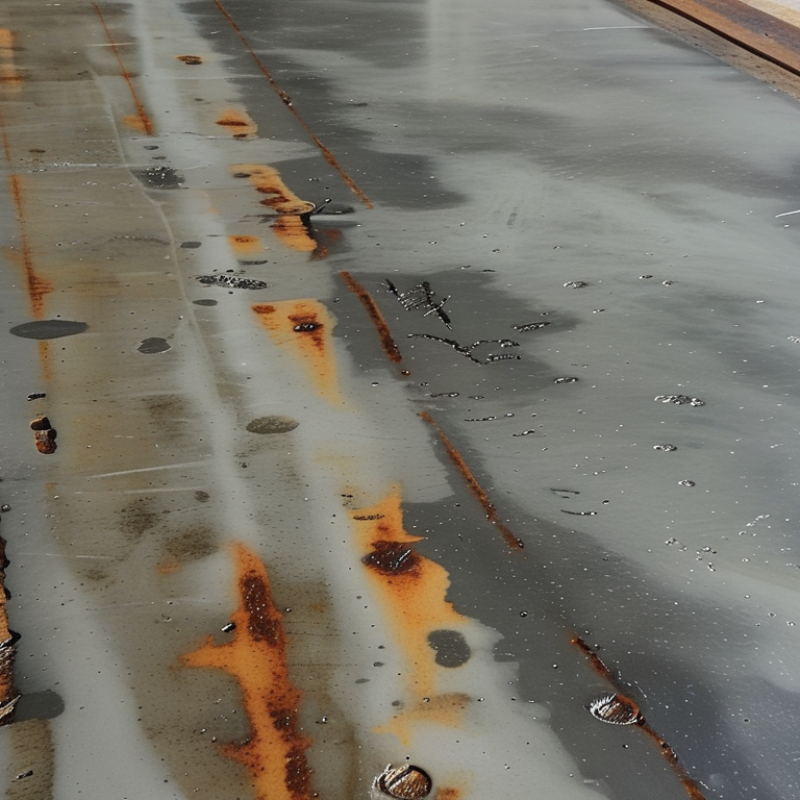
The best coating epoxy resin starts with the surface, not the product label. Concrete, steel, wood, and previously coated floors behave differently. Concrete may contain moisture, dust, oil, or weak laitance. Steel can hide corrosion beneath apparently sound areas. Clean the surface, repair defects, and create the required profile before coating. A simple adhesion test can reveal problems that visual inspection misses.

Project conditions matter just as much. Record the substrate temperature, air temperature, humidity, and dew point during application. Moisture trapped beneath epoxy may cause blisters or peeling. Cold conditions can slow curing, while excessive heat may shorten working time. Ventilation also affects comfort and application quality. Small details matter.

Match the resin to the expected service. A warehouse floor may need abrasion resistance and forklift tolerance. A laboratory may require chemical resistance and easy cleaning. Outdoor areas need careful consideration because standard epoxy can lose color under prolonged sunlight. Check technical data, mixing ratios, recoat windows, and coverage rates from reliable documentation. Test a small area first. It may expose unexpected porosity, color variation, or poor adhesion. No selection is perfect. Conditions can change after testing, so the specification should allow practical adjustment without ignoring safety or performance requirements.

How to Choose the Best Coating Epoxy Resin? - Define the Surface, Project Conditions, and Coating Requirements

Surface & Project Profile Surface Preparation Typical Site Conditions Recommended Epoxy System Key Coating Requirements Typical Application Guidance Main Risks to Check
Interior concrete floor
Warehouse, workshop, or utility area
Mechanically grind or shot-blast; remove laitance, oil, dust, and weak concrete. Repair cracks and surface defects. Dry substrate; concrete temperature at least 3°C above dew point; commonly applied between 10°C and 30°C. Two-component, 100% solids or high-solids floor epoxy with a penetrating primer. Strong adhesion, abrasion resistance, low shrinkage, easy cleaning, and compatibility with the concrete moisture condition. Apply primer first, then one or more body coats. Respect the stated recoat window and allow full cure before heavy traffic. Residual moisture, hydrostatic pressure, poor profile, pinholes, and application over uncured repair materials.
High-moisture concrete
Ground-level slab or recently constructed floor
Prepare mechanically and test moisture using an accepted method. Remove contamination and verify vapor transmission before coating. Moisture may exceed the limit for a standard epoxy. Relative humidity and dew-point conditions must be monitored. Moisture-tolerant epoxy primer or vapor-mitigation system, followed by a compatible epoxy topcoat. Tolerance to residual moisture, reliable adhesion, vapor resistance, and clear moisture limits stated in the technical data. Do not use a standard coating solely because the surface appears dry. Follow the specified test method and system build. Blistering, osmotic debonding, whitening, and coating failure caused by negative-side moisture pressure.
Steel equipment or structural steel
Indoor or sheltered service
Degrease and abrasive-blast to the specified cleanliness and surface profile. Remove dust and soluble salts. Steel must be above the dew point and free from visible condensation. Control flash-rust risk after blasting. Two-component anti-corrosive epoxy primer with an epoxy intermediate or finish coat. Corrosion resistance, edge coverage, adhesion to prepared steel, suitable dry-film thickness, and recoat compatibility. Measure wet-film thickness during application and dry-film thickness after cure. Stripe-coat welds, edges, and difficult geometry when required. Flash rust, remaining mill scale, sharp edges, excessive film thickness, and amine blush between coats.
Exterior steel exposed to sunlight
Industrial structure or outdoor equipment
Abrasive-blast or power-tool prepare according to the specified corrosion grade; remove salts, oil, dust, and loose rust. Temperature, humidity, dew point, rain, wind, and direct solar heating must be controlled. Epoxy primer or build coat with a UV-resistant polyurethane or polysiloxane finish where color and gloss retention are required. Barrier protection, intercoat adhesion, weather resistance through the complete system, and resistance to cyclic temperature changes. Use epoxy for corrosion protection and add a UV-stable topcoat when the epoxy will remain exposed to sunlight. Epoxy chalking, condensation, rain during cure, salt contamination, and inadequate stripe coating.
Chemical-handling area
Bunds, process rooms, or containment zones
Prepare the substrate to a clean, sound, profiled surface. Remove chemical residues and neutralize or safely dispose of contamination. Service may involve immersion, splash exposure, thermal cycling, or frequent cleaning. Chemical-resistant novolac epoxy or another chemically rated epoxy system selected for the specific chemicals. Documented resistance to the actual chemical concentration, temperature, exposure time, and cleaning procedure. Confirm immersion or containment approval. Apply the specified film thickness and allow complete cure before chemical service. Assuming general chemical resistance is sufficient, under-cured coating, thermal shock, and unsealed joints or cracks.
Food, beverage, or hygienic area
Processing room or cleanable floor
Mechanically prepare, vacuum clean, and repair defects. Use a system suitable for the required cleaning and sanitation regime. Frequent washing, hot-water cleaning, abrasion, and possible exposure to food acids or detergents. Low-odor, low-emission epoxy system with documented suitability for the intended regulated environment. Seamless finish, cleanability, chemical resistance, low odor during installation, and compliance with applicable local requirements. Plan the shutdown period carefully. Prevent contamination during cure and verify that the system is approved for the intended use. Thermal shock, trapped moisture, residual odor, unsuitable cleaning chemicals, and non-compliant materials.
Fast-return-to-service project
Retail, logistics, or maintenance shutdown
Prepare thoroughly before mixing. Complete repairs, masking, equipment setup, and environmental checks in advance. Short working window; temperature strongly affects pot life, cure speed, and recoat timing. Fast-curing two-component epoxy or compatible rapid-return flooring system. Short recoat time, adequate pot life for the crew size, early traffic resistance, and predictable cure at the actual temperature. Mix only manageable batch sizes. Track batch time, spread rate, wet-film thickness, and access restrictions. Exothermic buildup in large containers, dry rolling, missed areas, premature traffic, and reduced pot life in warm conditions.
Decorative or slip-resistant floor
Commercial, public, or light-industrial space
Grind or shot-blast evenly; fill cracks and pinholes; prepare a clean, uniform surface before applying decorative aggregates. Appearance, lighting, cleaning method, pedestrian traffic, and wet-slip conditions influence the specification. Clear or pigmented epoxy with broadcast aggregate, quartz blend, flake system, or textured topcoat. Color uniformity, gloss or satin appearance, abrasion resistance, cleanability, and measured slip resistance where needed. Use consistent mixing and application techniques. Apply a compatible seal coat to lock in aggregate and protect the finish. Color variation, aggregate loss, uneven texture, bubbles, gloss change, and insufficient slip resistance when wet.
Selection note: The values and recommendations above are typical industry guidance, not universal limits. Always verify the exact substrate condition, moisture level, chemical exposure, environmental limits, mixing ratio, pot life, recoat window, dry-film thickness, and cure schedule in the selected epoxy system's technical documentation.

Compare Epoxy Resin Types, Formulas, and Performance Properties

Choosing coating epoxy resin starts with the surface, not the product label. Concrete floors, steel tanks, and wood panels demand different formulas. Solvent-free epoxy creates a thick film with low odor and strong build. Waterborne epoxy spreads easily and cleans up with water, but often needs careful moisture control. Novolac epoxy handles higher chemical and heat exposure, though it may cost more and require skilled mixing. Keep it practical.

Compare resin chemistry, hardener ratio, viscosity, pot life, and curing schedule before approval. A low-viscosity formula can penetrate porous concrete, while a high-solids formula leaves a fuller protective layer. Mixing errors are common. Even a small ratio mistake can cause soft spots, bubbles, or poor adhesion. I recommend a small test panel at the actual temperature and humidity. Record surface profile, ambient moisture, mixing time, and cure hardness. This evidence is more useful than a glossy data sheet.

Performance testing should match service conditions. Check abrasion resistance for walkways, chemical resistance for processing areas, and flexibility for substrates that move. Gloss may look impressive, but it does not prove durability. For steel, evaluate adhesion after preparation and watch for flash rust during curing. For concrete, moisture vapor can undermine an excellent coating from below. I have seen projects favor maximum hardness, then crack when the substrate shifted. That mistake deserves attention.

Evaluate Application Methods, Coverage, Curing Time, and Ease of Use

Choosing the best coating epoxy resin starts with the application method. A squeegee spreads thick, level films across large floors. A short-nap roller improves control around edges and columns. Spraying can produce a smooth finish, but it requires stricter ventilation and surface protection. According to a 2024 Grand View Research report, the global epoxy coatings market is expanding at about 6% annually, reflecting wider use in industrial and commercial flooring. That growth does not make every resin suitable.

Coverage depends on film thickness, substrate porosity, and application waste. A practical estimate often ranges from 3 to 6 square meters per liter, but rough concrete can consume much more. Measure the test area first. Cure time also changes with temperature, humidity, and coating depth. Many systems become touch-dry within hours, while light foot traffic may require 24 hours or longer. ASTM D7234 highlights the importance of pull-off adhesion testing when evaluating coated concrete. Follow the technical data sheet, not a casual online estimate. Ease of use matters too: clear mixing ratios, workable pot life, and forgiving recoat windows reduce mistakes. I still find “easy application” claims incomplete without substrate preparation details. Test first. A small patch can reveal bubbling, poor adhesion, or an uncomfortable working time before the full project begins.

Check Safety Standards, Environmental Resistance, and Product Compatibility

Choosing a coating epoxy resin requires more than comparing gloss, hardness, or price. Safety standards should be checked before application. Request the current Safety Data Sheet and technical data sheet. Confirm handling instructions, ventilation needs, curing conditions, and recommended protective equipment. A reliable supplier should explain test methods and limitations clearly. If the documents seem vague, pause. That hesitation can prevent costly mistakes.

Environmental resistance matters when the coating faces real service conditions. Consider moisture, cleaning chemicals, oils, sunlight, temperature changes, and abrasion. A resin suitable for a dry workshop may fail on a damp floor. Look for test data that matches your application, not only general claims. I once underestimated repeated temperature changes on a coated metal panel. The surface looked perfect at first, then small cracks appeared near the edges. Laboratory results help, but field conditions can be less forgiving.

Tips: Prepare a small test panel first. Apply the resin to the actual substrate, including any primer or existing coating. Check adhesion after curing, then expose the panel to moisture, cleaners, and temperature changes. Confirm the resin’s working time, mixing ratio, cure schedule, and thickness requirements. Compatibility is often overlooked. Concrete, steel, wood, and old coatings can react differently. Surface cleanliness also matters. Dust, oil, trapped moisture, or weak layers may cause peeling. Keep written batch records and application notes. They make troubleshooting easier, although they cannot replace practical judgment.

Balance Product Quality, Service Life, Availability, and Total Cost

How to Choose the Best Coating Epoxy Resin?

A reliable coating epoxy resin must match the surface, environment, and application method. Check adhesion data on concrete, steel, or previously coated floors. Review viscosity, mixing ratio, curing time, and chemical resistance. A resin that flows smoothly can reduce pinholes and labor. A common mistake is choosing the hardest coating without checking substrate movement. Rigid systems may crack when floors expand or vibrate.

Service life depends on preparation as much as formulation. Remove dust, oil, moisture, and weak concrete before application. Test a small area. Observe bonding after curing, especially near joints and edges. Field evaluations often reveal problems hidden in laboratory results. Temperature also matters. A coating that cures well at 25°C may become slow, brittle, or uneven in colder conditions.

Availability affects project risk. Confirm consistent batch supply, packaging dates, technical documents, and delivery times before ordering. One delayed shipment can extend downtime and increase labor costs. Total cost includes surface preparation, primer, equipment, ventilation, repairs, storage, and disposal. Price alone misleads. Compare coverage per kilogram and expected maintenance intervals. I once underestimated rework costs because the first quote excluded moisture testing. That oversight changed the real budget. Choose evidence over attractive claims, and ask for test methods, application limits, and written technical support.

100% Mercury Free

100% Mercury Free

All of Hapco's formulations are completely free of Mercury.

50 Year Track Record

50 Year Track Record

Hapco has been in business for over 50 years!

ISO Certified

Higher Quality. More Efficiency. View Certificate

Technical Expertise

Hapco's employees are knowledgeable and ready to help.

Join Our Mailing List

Get the latest news, updates, and articles from Hapco, Inc.

Join Now