
Skip to Content

Liquid Molding Monthly

How to Choose the Right Chemical Storage Cabinet?

Choosing the right Chemical Storage Cabinet begins with the substances stored inside, not with appearance or price. A bright finish cannot compensate for poor chemical compatibility. Acids, bases, oxidizers, flammables, and corrosive liquids may require different cabinet designs and separate storage areas.

Dr. James A. Kaufman, founder of the Laboratory Safety Institute, has said, “Safety is not a gadget, but a state of mind.” That principle remains practical. A suitable cabinet should support safe daily habits, clear labeling, secure doors, and quick access to current Safety Data Sheets. Check its construction carefully. Look for corrosion-resistant materials, adjustable shelves, leak-containment trays, stable leveling feet, and a capacity that leaves usable space around each container. Crowded shelves invite mistakes.

Think about the room, too. Measure doorways, ventilation conditions, floor strength, and emergency access before ordering. A cabinet that fits the product but blocks an exit is still a poor choice. Follow applicable workplace requirements and the manufacturer’s installation guidance. Local rules may differ, so professional review is wise.

Real experience often reveals overlooked details. A small bottle can leak onto a shelf and damage several containers below it. A stiff latch can discourage proper closing. A missing inspection record can hide gradual corrosion. These details matter.

There is no perfect cabinet.

The best decision balances chemical compatibility, fire protection needs, workplace routines, and future storage changes. Recheck the selection whenever inventory changes. A cabinet chosen carefully today may become unsuitable tomorrow.
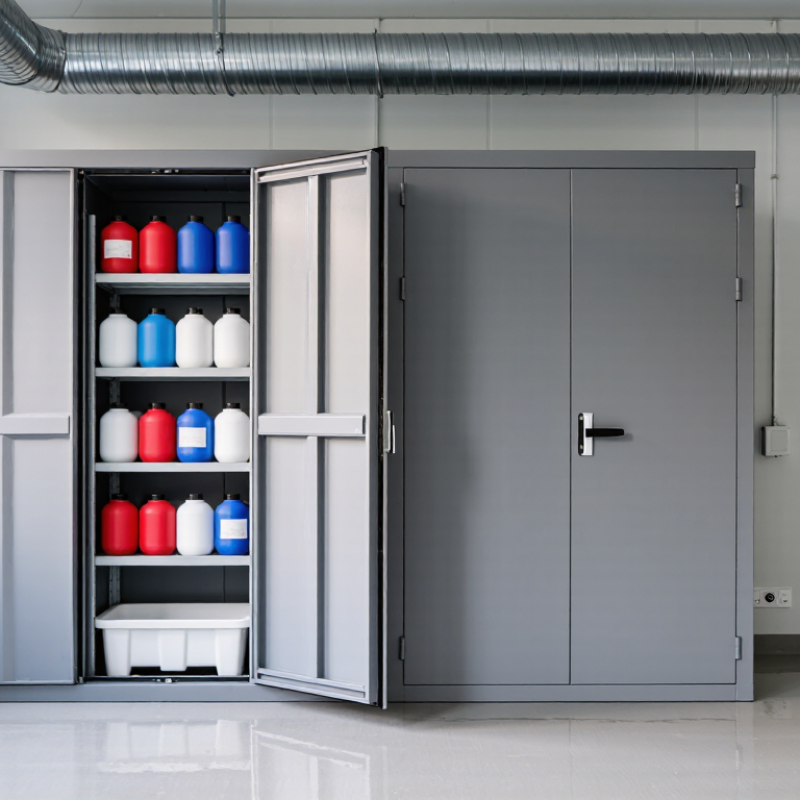
How to Choose the Right Chemical Storage Cabinet?

Define the Chemicals and Hazards to Be Stored

Choosing the right chemical storage cabinet starts with a clear inventory, not cabinet size. List every chemical, its concentration, physical state, and storage quantity. Read the current Safety Data Sheet for each substance. Pay close attention to flammability, corrosivity, toxicity, oxidizing properties, and reactivity. A small bottle can still create a serious hazard.

Separate chemicals by compatibility, not alphabetically. Flammable liquids need different protection from acids, bases, and oxidizers. Some substances react with moisture, heat, or nearby materials. Consider container types, leak risks, ventilation needs, and access frequency. In laboratory projects, I have seen storage plans fail because an old inventory was trusted. Labels can fade. Formulas can change. Verify the details before selecting the cabinet.

Tips: Keep a dated chemical list near the storage area. Mark incompatible groups clearly. Check cabinet capacity against the heaviest expected load. Never use one general cabinet for every hazard class. Review the arrangement after receiving new chemicals. No checklist is perfect. A second review from a trained safety professional can reveal overlooked risks and improve daily handling. Follow current workplace procedures and applicable safety requirements.


How to Choose the Right Chemical Storage Cabinet?

Define the chemicals and hazards to be stored before selecting cabinet construction, ventilation, segregation, and fire protection requirements.

Flash point is a key screening factor for flammable-liquid storage. Lower values indicate that vapors can form an ignitable mixture at lower temperatures, supporting the use of a compliant flammable-liquid storage cabinet. Acids, bases, oxidizers, and toxic substances require additional segregation and cabinet compatibility checks. Values shown are approximate flash points for representative pure chemicals and may vary with concentration, purity, and test method.

Match Cabinet Materials to Chemical Compatibility Requirements

How to Choose the Right Chemical Storage Cabinet?

Match the cabinet material to the chemical’s compatibility requirements, not merely its container size. Review each chemical’s Safety Data Sheet before selecting storage equipment. Pay close attention to reactivity, corrosion, vapor release, and temperature sensitivity. Steel cabinets often suit flammable liquids, but they need suitable protective coatings. Coated surfaces can still fail after scratches or prolonged exposure. Polyethylene or polypropylene cabinets resist many corrosive chemicals, including selected acids and bases. However, some solvents can soften or damage plastic materials. Material resistance is never universal.

Keep incompatible chemicals separated, even when they share similar packaging. Oxidizers should not sit beside flammable solvents or reducing agents. A cabinet with an integrated spill tray can limit leaks from reaching shelves and floors. Check shelf load ratings, door seals, grounding needs, and ventilation requirements. Ventilation is not automatically safer. It may spread hazardous vapors if designed poorly. Use guidance from the SDS, qualified safety professionals, and recognized workplace standards. Inspect cabinet surfaces regularly, especially around hinges, shelf joints, and damaged coatings.

Tips: Test compatibility with the exact chemical, concentration, and temperature. Do not rely on appearance alone. Label every shelf clearly. Replace cracked liners promptly. One overlooked detail is cleaning residue; a small amount can change chemical behavior. If uncertainty remains, pause the purchase and request written compatibility data from the cabinet manufacturer. That extra step may prevent an expensive mistake.

Select the Appropriate Cabinet Type, Size, and Capacity

How to Choose the Right Chemical Storage Cabinet?

Selecting the right cabinet starts with the chemical hazard, not the available floor space. Review each product’s safety data sheet before choosing a cabinet type. Flammable liquids require suitable fire-resistant storage. Corrosive chemicals need materials that resist chemical attack. Toxic substances may require controlled access and clear warning labels. Do not place incompatible chemicals together. Type matters most.

Measure the storage area, doorways, and access routes before ordering. Then count every container, including partly used bottles and backup supplies. Leave space between containers for labels and safe handling. A cabinet filled to its maximum capacity becomes difficult to inspect and clean. That mistake is common. Choose adjustable shelves with appropriate load ratings. Secondary containment can also prevent small leaks from spreading across the floor.

Capacity should match current inventory and reasonable future needs. Calculate the total liquid volume, then compare it with the cabinet’s stated capacity. Consider container shape, shelf spacing, and the weight of glass bottles. A tall cabinet may save floor space but create awkward lifting risks. A smaller cabinet may seem efficient, yet frequent overcrowding encourages poor storage habits. Check local fire, building, and workplace requirements as well. Requirements can differ by location. Records of inventory, inspections, and damaged containers support reliable daily control. Recheck the choice after several weeks of actual use, because planning assumptions often need correction.

Check Ventilation, Fire Protection, and Regulatory Features

How to Choose the Right Chemical Storage Cabinet?

Check Ventilation, Fire Protection, and Regulatory Features

Choosing a chemical storage cabinet starts with the room, not the cabinet color. Measure available space, check nearby ignition sources, and review the chemicals’ safety data sheets. Compatibility matters because acids, bases, oxidizers, and flammable liquids may require separate storage. Small details matter. A cabinet should offer stable shelves, leak-resistant containment, clear labels, and enough capacity without overloading.

Ventilation needs careful judgment. Some chemicals require controlled exhaust, but drilling holes into a fire-rated cabinet can weaken its protection. Use a professionally designed ventilation system when vapor control is necessary. Never connect a cabinet casually to general room ventilation.

Fire protection should include suitable construction, self-closing doors, secure latches, and spill containment. A fire-rated cabinet can reduce risk, but it cannot replace proper housekeeping or emergency planning.

Regulatory features also deserve close attention. Confirm local fire, building, and workplace requirements before purchase. Check whether the cabinet’s rating, labeling, storage limits, and inspection records match those rules. Keep an updated inventory and accessible safety data sheets nearby. Do not guess. Requirements can differ between jurisdictions and chemical categories. In practice, selecting the largest cabinet is not always better; excess storage may create compatibility and access problems. I would also review the cabinet after installation, because a compliant product can still become unsafe when shelves are crowded or doors cannot close properly.

Plan Safe Placement, Organization, and Ongoing Maintenance

How to Choose the Right Chemical Storage Cabinet?

Safe placement begins with a site review, not a catalog search. Keep the cabinet away from exits, heat sources, electrical panels, and direct sunlight. Check the Safety Data Sheet for each chemical before choosing cabinet type. OSHA’s Hazard Communication Standard requires workers to access SDS information, including storage conditions and incompatibilities. A cabinet may look secure, yet poor placement can create a serious response problem.

Safe placement begins with a site review, not a catalog search.

Organization should follow chemical compatibility, not alphabetic order. Separate acids from bases, oxidizers from organic materials, and flammables from ignition sources. NFPA 30 guidance commonly limits a flammable-liquid cabinet to 120 gallons, with no more than 60 gallons of flammable liquids. Use secondary containment where leaks could spread. Label every shelf clearly. Leave space around containers. Crowded shelves fail quietly.

Tips: Inspect monthly. Check doors, hinges, labels, and corrosion. Keep an updated inventory outside the cabinet. Remove damaged containers promptly through approved procedures. Review cabinet use after spills, renovations, or process changes. OSHA’s 2023 workplace injury data recorded about 2.6 million nonfatal injuries in private industry, reminding us that routine controls still matter. My own weak point is overconfidence: a clean cabinet can hide outdated chemicals. Schedule a documented review with trained staff, and question storage habits that “have always worked.”

100% Mercury Free

100% Mercury Free

All of Hapco's formulations are completely free of Mercury.

50 Year Track Record

50 Year Track Record

Hapco has been in business for over 50 years!

ISO Certified

Higher Quality. More Efficiency. View Certificate

Technical Expertise

Hapco's employees are knowledgeable and ready to help.

Join Our Mailing List

Get the latest news, updates, and articles from Hapco, Inc.

Join Now