Glycolic Acid Benefits Tips for Use and Skin Care Routine?
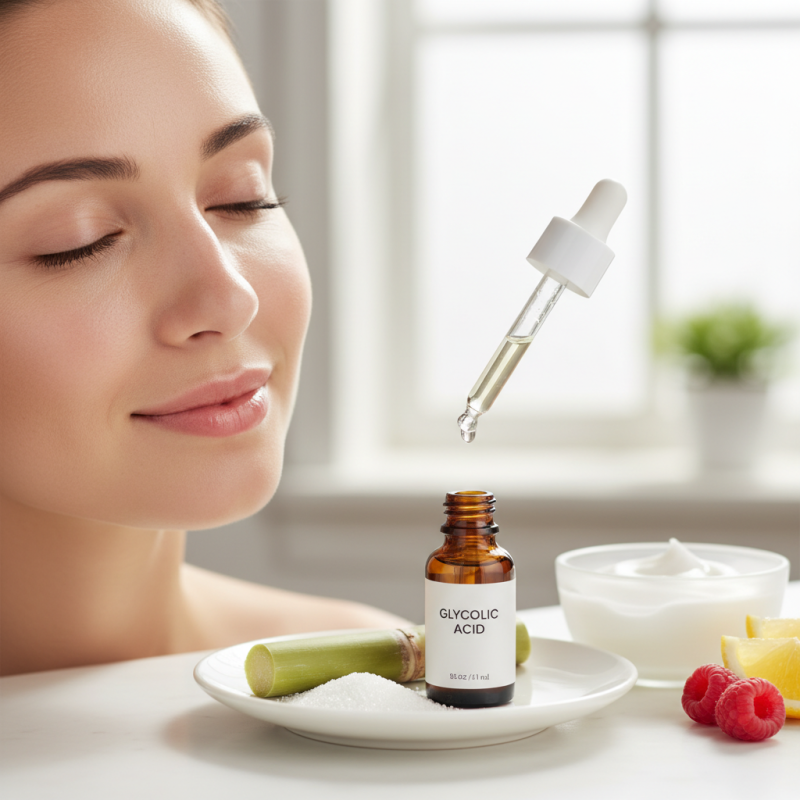
Glycolic Acid has gained popularity in skincare for its remarkable benefits. This alpha hydroxy acid (AHA) is derived from sugar cane. Many people turn to Glycolic Acid for its ability to exfoliate the skin effectively. It helps remove dead skin cells, promoting a brighter complexion.
Incorporating Glycolic Acid into your skincare routine can be transformative. However, it requires careful use. This acid can be potent and might cause irritation if overused. Finding the right balance is key to enjoying its benefits. Adjusting to Glycolic Acid may take time, and some trial and error is often necessary.
Understanding how to use Glycolic Acid safely is crucial. Proper application techniques can enhance your skin's appearance. Start with lower concentrations to gauge skin tolerance. Regular but mindful use can lead to significant improvements. Embrace patience as your skin adapts.
Benefits of Glycolic Acid in Skincare: An Overview of Its Efficacy
Glycolic acid, a key ingredient in many skincare products, offers significant benefits. Studies show it effectively exfoliates the skin, removing dead cells and promoting a brighter complexion. This alpha-hydroxy acid (AHA) increases collagen production, helping to reduce fine lines and wrinkles. According to the Journal of Cosmetic Dermatology, glycolic acid can improve skin texture in over 70% of users.
Using glycolic acid can enhance your skincare routine. Start with lower concentrations to avoid irritation. Gradually increase the strength as your skin adjusts. Applying glycolic acid at night may yield better results due to reduced sun exposure. Always follow up with sunscreen during the day, as glycolic acid can increase sensitivity to sunlight.
Pay attention to your skin type. Some might find glycolic acid too harsh. A patch test is essential before widespread application. If irritation occurs, reduce usage frequency. Consider incorporating it into your routine just a few times a week until your skin builds tolerance. Finding the right balance can lead to remarkable improvements in your skin’s appearance.
Mechanisms of Action: How Glycolic Acid Exfoliates and Boosts Skin Renewal
Glycolic acid, derived from sugar cane, is a powerful exfoliant. Its small molecular size allows it to penetrate the skin effectively. This unique ability promotes skin renewal, shedding dead skin cells for a fresher appearance. As a result, the skin feels smoother and looks brighter. However, its strength can lead to irritation if used incorrectly.
When incorporating glycolic acid into your routine, start slowly. Use a low concentration to minimize side effects. Applying it too often can cause redness or peeling. It's important to listen to your skin and adjust usage accordingly. Pairing it with a good moisturizer can help maintain hydration. Remember, not every skin type responds the same way.
Sometimes, the quest for smooth skin can lead to overuse. Striking a balance is key. Consider patch testing before applying glycolic acid to your entire face. Observe how your skin reacts. It’s about finding what works for you. Embrace the process of discovery and prioritize your skin's health.
Glycolic Acid Benefits Tips for Use and Skin Care Routine
| Benefit | Mechanism of Action | Tips for Use | Skin Care Routine Integration |
| Exfoliation | Breaks down bonds between dead skin cells. | Start with low concentration to assess skin tolerance. | Use in evening routine after cleansing. |
| Skin Renewal | Stimulates cell turnover and regeneration. | Apply a moisturizer afterward to prevent dryness. | Incorporate into a weekly mask or peel. |
| Improves Texture | Smooths rough skin surface by removing dead cells. | Avoid sun exposure immediately after use. | Use alongside gentle exfoliating products. |
| Fades Hyperpigmentation | Increases cell turnover to fade dark spots. | Use sunscreen daily to protect new skin. | Pair with vitamin C for enhanced effect. |
| Minimizes Pores | Clears out debris and excess oil from pores. | Apply in small amounts to avoid irritation. | Use before a hydrating serum. |
Recommended Usage Tips for Glycolic Acid: Concentration and Frequency
Glycolic acid is widely recognized for its exfoliating properties. When incorporating it into your skincare routine, concentration is essential. Beginners should start with a lower concentration, around 5% to 10%. This helps minimize irritation. Gradually increase the concentration as your skin adapts. Some may experience dryness or redness initially. This is perfectly normal and often resolves over time.
Frequency of use also matters. Many people use glycolic acid 1-2 times per week. This allows your skin to adjust without overwhelming it. Watch for signs of irritation. If redness persists, scale back your application. Ensure to always follow up with sunscreen, as glycolic acid can make your skin more sensitive to sunlight. Finding a balance can take time, and that’s okay. Skincare is a journey.
Testing a patch of skin is advisable before full application. This can help prevent any adverse reactions. Everyone’s skin is unique, and results will vary. Getting to know your skin's response is crucial. It’s about trial and error, so don’t rush the process. Be patient, and listen to your skin’s needs as you find what works best for you.
Integrating Glycolic Acid into Your Skincare Routine: Step-by-Step Guide
Integrating glycolic acid into your skincare routine can yield remarkable results. This powerful exfoliant belongs to the alpha-hydroxy acid (AHA) family. Studies indicate that regular use can improve skin texture by up to 30%. However, proper integration is crucial to avoid irritation.
Start by incorporating glycolic acid gradually. Begin with a low concentration, around 5%, applying it once a week. Observe how your skin reacts. If all goes well, you can increase the frequency to two or three times each week. Be mindful of any redness or burning sensations. These are signs you may need to slow down.
When using glycolic acid, timing is key. Apply it at night after cleansing. Follow up with a soothing moisturizer. Always use sunscreen during the day, as glycolic acid may increase sun sensitivity. Research shows that 80% of users notice smoother skin within a month of consistent use. Each person’s experience may differ, so give your skin time to adjust. Adapting to glycolic acid is a process that requires patience and care.
Safety Considerations and Potential Side Effects of Glycolic Acid Use
Glycolic acid is a popular skincare ingredient known for its exfoliating properties. However, using it comes with safety considerations. First, it can cause skin irritation. Redness and peeling are common in new users. It's advisable to start with lower concentrations, especially for sensitive skin types. Patch testing can be a helpful step.
Another consideration is sun sensitivity. Glycolic acid can make your skin more vulnerable to UV rays. It’s crucial to apply sunscreen daily. Otherwise, you risk sunburn and long-term skin damage. Some people might experience dryness or increased sensitivity after use. Listening to your skin is vital; if you notice discomfort, reduce usage frequency.
Remember, everyone's skin is different. Progress may come with setbacks. Finding the right balance takes time. Embrace the journey, and don’t rush it. If you experience severe reactions, seek professional advice. Awareness and caution are essential when incorporating glycolic acid into your skincare routine.