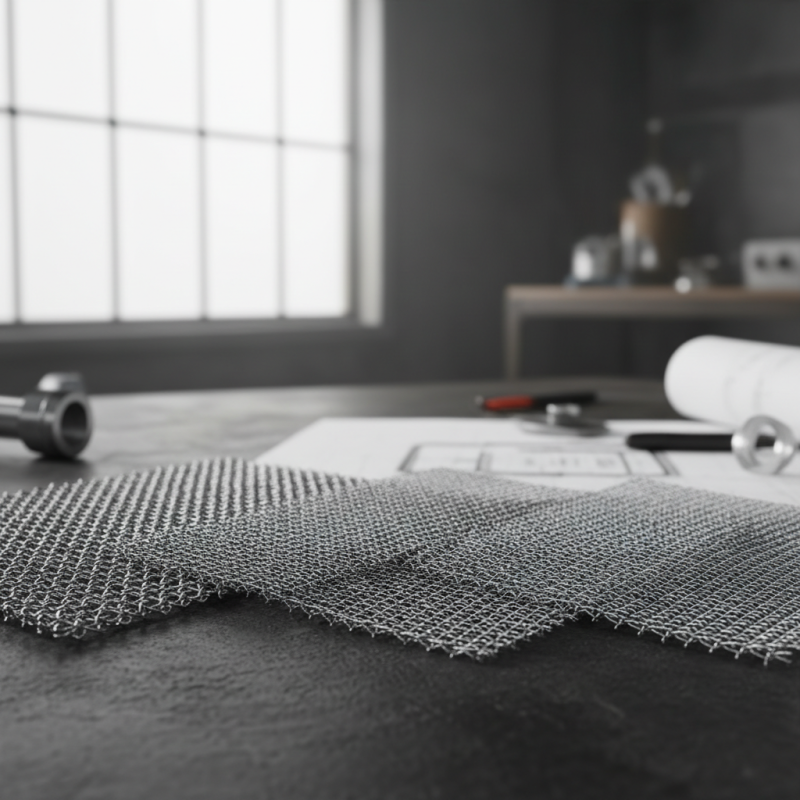
2026 How to Choose Stainless Steel Woven Wire Mesh?
When selecting stainless steel woven wire mesh, it’s crucial to understand its various applications. The mesh is used in diverse fields like construction, filtration, and food processing. Choosing the right type impacts performance and longevity.
Consider the wire diameter and mesh opening size. These factors determine strength and the ability to filter specific particles. For heavy-duty applications, thicker wires are essential. However, finer meshes are needed for precise filtration tasks.
Reflecting on your needs is vital. Are you prioritizing strength or filtration accuracy? Misjudging these factors can lead to costly mistakes. A well-chosen stainless steel woven wire mesh can enhance efficiency and durability in your projects.
Understanding Stainless Steel Woven Wire Mesh Specifications and Grades
When choosing stainless steel woven wire mesh, specifications and grades are crucial factors. Stainless steel comes in various types, typically categorized by their alloy composition. The most common grades are 304 and 316. Grade 304 offers good corrosion resistance for most environments. However, in harsher settings, like saltwater, Grade 316 is superior. It has added molybdenum, enhancing its durability.
Apart from grades, mesh specifications also matter. Wire diameter impacts strength and filtration. Thicker wires provide sturdiness, while thinner ones allow for finer filtration. Mesh openings should match your needs. Larger openings facilitate airflow, whereas smaller ones trap particles effectively.
Sometimes, choosing a specification may feel overwhelming. Users might focus on either strength or filtration alone. Yet, it's essential to consider both for optimal performance. Reflecting on your requirements before making a selection can save future headaches. Balance is key in choosing the right mesh for your project.
Key Factors in Selecting the Right Wire Diameter for Your Needs
Choosing the right wire diameter for stainless steel woven wire mesh is crucial. It can impact strength, flexibility, and application suitability. Industry reports indicate that wire diameter ranges from 0.1 mm to 3.0 mm, depending on the intended use. Thicker wires provide added strength, while thinner wires offer greater flexibility and filtration capabilities.
Tips: Consider your application’s specific needs. For strong structural support, a larger diameter may be ideal. Conversely, for filtration tasks, smaller diameters can provide better results.
When selecting a wire diameter, think about the mesh opening size as well. A finer mesh can capture smaller particles, but it may clog more easily. Conversely, wider openings allow for greater flow but may not retain smaller elements effectively. So, it’s essential to find a balance suited for your unique requirements.
Tips: Test different wire diameters in a controlled environment. This may reveal surprising insights about performance that may need reflection. Don’t overlook how the wire’s finish affects its properties too. Stainless steel’s surface treatments can significantly alter strength and longevity, so choose wisely.
Analyzing the Importance of Weave Patterns in Stainless Steel Mesh
When choosing stainless steel woven wire mesh, the weave pattern plays a crucial role. Different patterns offer various benefits and limitations. For example, a plain weave is standard and offers good strength and balance. However, it might not work well in highly specialized applications. On the other hand, a twill weave provides greater flexibility and a higher degree of filtration. This could be ideal for certain industries. Yet, the more intricate weaves can also lead to increased costs.
It's important to consider the specific needs of your project. Will the mesh be used in high-pressure situations? Or will it primarily serve aesthetic purposes? Some patterns are more suited for durability, while others excel in appearance. Reflecting on the intended use might guide your decision. Additionally, don't overlook the mesh's opening size. Larger openings might be tempting for easy flow, but they can compromise filtration.
Ultimately, the choice of weave pattern should align with practical requirements. It's not a one-size-fits-all scenario. Take the time to analyze the weave's impact on overall performance. This balanced approach can lead to more suitable selections in the long run.
Evaluating Corrosion Resistance and Durability in Different Environments
When selecting stainless steel woven wire mesh, evaluating corrosion resistance is crucial. Different environments pose unique challenges. In coastal areas, for instance, humidity and saltwater can significantly corrode materials. Data suggests that Type 316 stainless steel performs better than Type 304 in such conditions. This is due to its higher molybdenum content, which enhances resistance to chlorides.
On the other hand, industrial settings with chemicals can also impact durability. Studies show that exposure to sulfuric acid, for example, can lead to localized corrosion. A protective coating may be necessary in these instances. In environments with fluctuating temperatures, thermal cycling can cause stress fractures. Such details are critical when choosing the appropriate mesh type.
However, one must consider maintenance. Regular inspections can help detect wear and corrosion. Ignoring these can lead to significant costs down the line. Selecting the right mesh is not just about initial performance. It requires thoughtful analysis of environmental factors and long-term durability.
Cost Considerations and Supplier Selection for Stainless Steel Mesh Products
When selecting stainless steel woven wire mesh, cost considerations are crucial. The price can vary based on material grade, mesh size, and thickness. It's important to compare quotes from different suppliers. Some might offer low prices but compromise on quality or service. Be wary of deals that seem too good to be true.
Supplier selection is as vital as the product itself. Check for reviews and recommendations. Look for suppliers with a solid reputation. Visiting their facilities can give insight into their operations. Ensure they comply with relevant quality standards. Transparency is key. Don’t hesitate to ask questions about sourcing and manufacturing processes.
Sometimes, negotiations can lead to better prices. Don’t shy away from discussing costs openly. It’s a learning experience, finding the right balance between quality and budget. One might overlook small details, such as shipping fees or minimum order quantities. These factors can impact the overall cost significantly. Pay attention to the fine print. It’s easy to forget, but these details matter greatly in the long run.