Best Cylinder Head Types for Optimal Engine Performance?
The Cylinder Head plays a crucial role in engine performance. It serves as part of the combustion chamber, housing vital components like valves and spark plugs. Selecting the right cylinder head type can significantly enhance power output and efficiency. Various cylinder head designs, such as SOHC, DOHC, and VVT, each come with unique benefits and trade-offs.
A well-designed cylinder head can improve airflow and optimize combustion. However, choosing the best type often involves a complex analysis of engine specifications and intended use. Many enthusiasts may overlook the importance of correct valve timing or the right material. These factors can profoundly affect overall performance.
In the quest for optimal engine performance, understanding cylinder head options is essential. Each design offers distinct advantages, but the ideal choice depends on various criteria. Ultimately, engine builders must weigh performance goals against budget constraints and personal preferences. Choosing wisely can lead to remarkable improvements in both daily driving and competitive racing contexts.
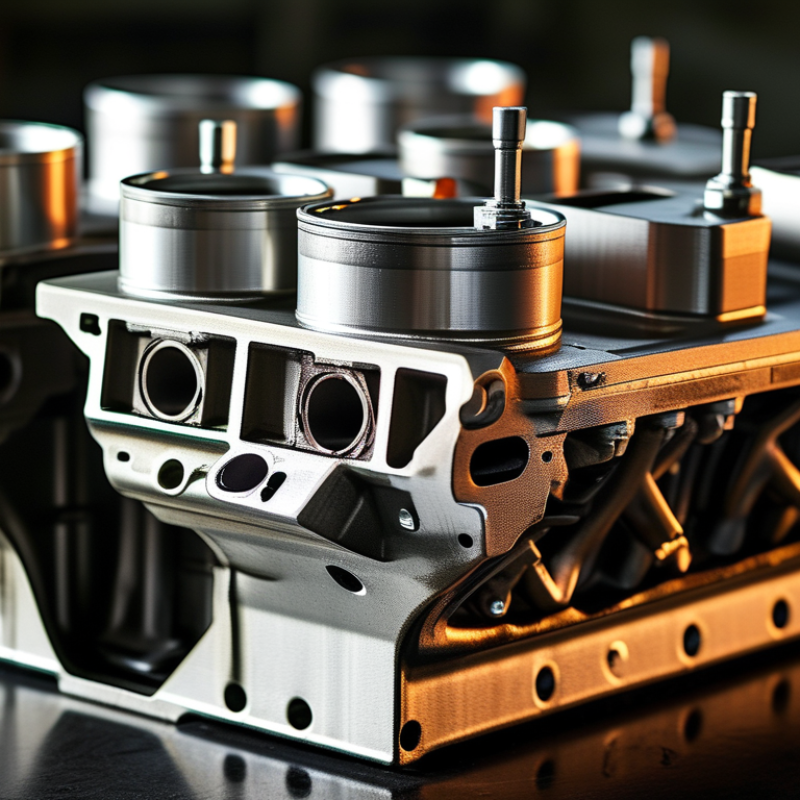
Types of Cylinder Heads and Their Impact on Engine Efficiency
Choosing the right cylinder head is crucial for engine performance. Different types of cylinder heads can significantly influence not only power output but also fuel efficiency. A report by the Society of Automotive Engineers indicates that optimizing airflow through the cylinder head can improve engine efficiency by up to 20%. This is largely due to the ability of well-designed heads to enhance the combustion process.
Common types of cylinder heads include single overhead cam (SOHC) and double overhead cam (DOHC) configurations. DOHC heads often allow for better airflow, which can enhance performance. However, they are usually more complicated and may require more maintenance. Moreover, combustion chamber shape plays a vital role in efficiency. A more compact chamber often leads to better combustion, but achieving this can be a balancing act. Too compact, and you risk knocking; too spacious, and efficiency drops.
Investing in high-performance cylinder heads isn't always a guaranteed return. Some enthusiasts report diminishing returns after certain modifications. Additionally, more aggressive setups can lead to increased fuel consumption and emissions. Finding the right balance tailored to specific engine types and intended usage remains a challenge for many builders. The choice reflects a broader understanding of how these heads impact performance and efficiency, while also recognizing that no one size truly fits all.
Comparative Analysis of Overhead Valve and Overhead Cam Designs
When evaluating engine performance, understanding the differences between overhead valve (OHV) and overhead cam (OHC) designs is crucial. OHV engines feature pushrod systems that connect the camshaft to the valves, often offering a compact design. This simplicity can lead to easier maintenance but may limit maximum RPMs. Reports suggest that OHV designs often achieve higher low-end torque, making them suitable for applications like towing or heavy-duty vehicles.
On the other hand, OHC configurations provide more precise valve timing. This is due to the direct connection of the camshaft to the valves. A study from the Society of Automotive Engineers indicated that OHC engines can rev higher, translating to higher horsepower at elevated RPMs. However, this complexity can result in increased manufacturing costs and maintenance challenges. The choice between these two types often depends on specific performance needs and cost considerations.
Both designs have their merits and drawbacks. While OHV engines excel in torque delivery, OHC systems shine in high RPM scenarios. Engine designers must weigh these factors carefully. Ultimately, the decision hinges on the intended use of the vehicle and the desired balance between power and efficiency.
Best Cylinder Head Types for Optimal Engine Performance
| Cylinder Head Type | Design Features | Performance Advantages | Common Applications |
| Overhead Valve (OHV) | Uses pushrods and rocker arms to operate valves | High torque at low RPMs, simple design | V8 engines, muscle cars, trucks |
| Overhead Cam (OHC) | Directly operates valves with camshafts in the head | Higher RPM performance, more precise valve timing | Sports cars, modern engines, compact cars |
| Dual Overhead Cam (DOHC) | Two camshafts per bank for better performance | Optimal airflow, enhanced engine efficiency | High-performance vehicles, racing engines |
| SOHC vs. DOHC | Single vs. dual camshaft designs | DOHC offers higher performance, SOHC more compact | Everyday vehicles (SOHC), performance cars (DOHC) |
Advantages of Aluminum vs. Iron Cylinder Heads in High Performance Engines
When choosing cylinder heads, the material can significantly impact engine performance. Aluminum and iron are the two most common options. Aluminum cylinder heads are lighter, which reduces overall engine weight. This can lead to better acceleration and improved handling. According to a recent industry study, aluminum heads can enhance power output by up to 50 horsepower in some applications.
However, aluminum does have its downsides. It tends to warp under high temperatures, potentially leading to costly repairs. In contrast, iron cylinder heads offer better durability and can withstand higher heat without damage. They also have improved wear resistance, making them a reliable choice for long-term durability. A technical report indicates that iron heads can last up to 60% longer than their aluminum counterparts in high-performance environments.
While aluminum heads may provide immediate performance boosts, they require strict maintenance to avoid failures. Iron heads, while heavier, can contribute to more stable engine operation over time. Evaluating the trade-offs is crucial for anyone looking to optimize their engine’s performance. Each material has its strengths and weaknesses, which must be carefully considered based on specific performance needs.
How Cylinder Head Design Influences Airflow and Combustion Process
Cylinder head design plays a critical role in an engine's performance. The shape and flow characteristics significantly influence airflow. Efficient airflow allows for better fuel mixing and combustion. When air enters the cylinder, design elements like ports and valves become crucial. They dictate how effectively air can move in and out. Poorly designed heads can restrict airflow, leading to reduced power and efficiency.
Combustion processes are strongly affected by cylinder head geometry. For example, a chamber's shape affects the air-fuel mixture's turbulence. More turbulence can lead to a more complete burn. However, higher turbulence isn't always ideal. It can cause knocking in high-compression engines. Balance is key.
While some designs excel in specific conditions, they may not perform well universally. Ideal cylinder heads depend on various factors, such as engine type and intended use. Engineers often face challenges in optimizing designs to meet diverse performance goals. Trial and error remains a significant part of this process. These reflections highlight the complexity in cylinder head selection.
Effects of Cylinder Head Design on Engine Performance
This bar chart illustrates the airflow capabilities (in CFM) of various cylinder head designs. As shown, high-flow and turbocharged cylinder heads provide the best airflow, which significantly enhances engine performance compared to standard designs.
Considerations for Choosing Cylinder Heads for Different Engine Applications
When selecting cylinder heads, several factors come into play. Understanding engine application is crucial. For high-performance engines, aluminum heads are often preferred. They are lightweight and offer better heat dissipation. This aids in engine efficiency. However, they can be more expensive. Cast iron heads might be more suitable for budget-friendly builds. They are heavier but provide good durability.
Another key consideration is the intended use of the engine. Street engines usually benefit from heads with a good balance of airflow and low-end torque. Racing applications might require heads optimized for higher RPMs and power. Intake and exhaust port designs also significantly impact performance. Each design targets specific power bands, which influence the overall driving experience.
It's essential to match the cylinder heads with the rest of the engine components. Mismatches can lead to inefficiencies and potentially harm performance. Before making a decision, reviewing airflow characteristics and compression ratios is wise. This requires a deep understanding of your specific engine setup. Trial and error may be necessary to find the ideal combination for performance.