What is Peva Film and How is it Used in 2026?
As the world shifts towards sustainable options, Peva Film emerges as a crucial material in 2026. Its versatility and eco-friendliness attract industries ranging from packaging to home goods. According to a recent market analysis by GreenTech Insights, the Peva Film market is projected to grow by 12% annually through 2028. This growth reflects a rising demand for non-toxic alternatives to traditional plastic films.
Dr. Emily Tran, a leading expert in biodegradable materials, states, "Peva Film sets a new standard in environmentally responsible manufacturing." Her insights underline the importance of innovation in materials science. Industries are continuously finding new applications for Peva Film, particularly in eco-conscious markets. This adaptability demonstrates the film's potential as a game-changer.
However, the transition to Peva Film is not without challenges. Some manufacturers face hurdles in production consistency and performance issues. These setbacks prompt ongoing discussions about quality assurance in the industry. Despite these concerns, the commitment to sustainability fuels innovation and exploration in this promising sector.
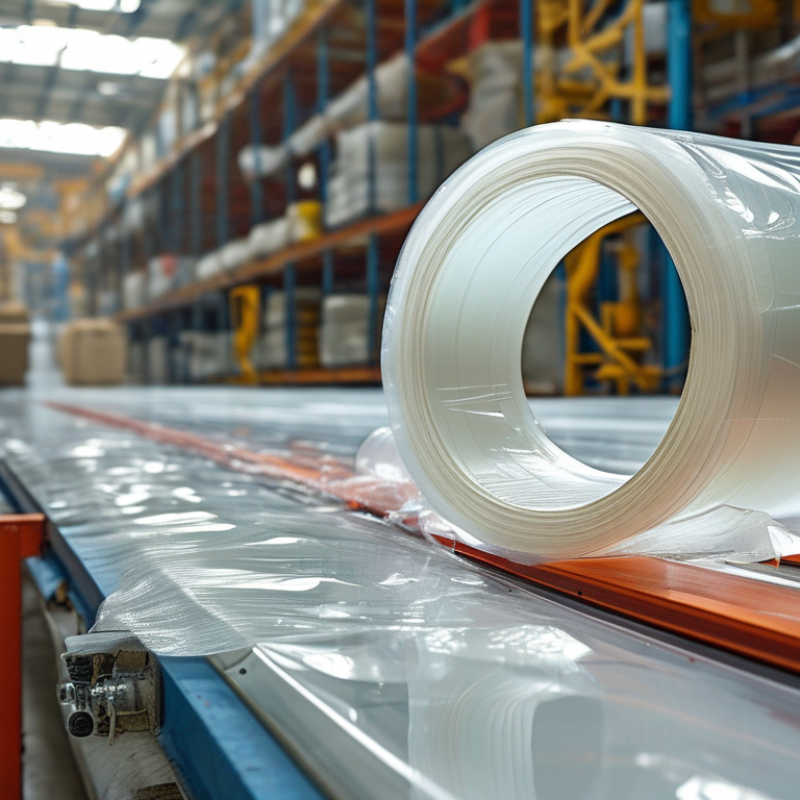
What is Peva Film: Definition and Composition
Peva film is an innovative, eco-friendly material commonly used in various applications today. Made from polyethylene vinyl acetate, it offers a durable and flexible alternative to traditional plastics. Its composition includes a blend of ethylene and vinyl acetate, providing characteristics such as softness and excellent transparency. Reports indicate that the global peva film market is projected to grow significantly, driven by increasing consumer demand for sustainable products.
In 2026, peva film finds widespread usage in household items, packaging, and even clothing. Its non-toxic properties make it suitable for food packaging, catering to health-conscious consumers. Recent data from the Plastic Pollution Coalition highlights that the use of peva materials can reduce plastic waste by approximately 30% compared to conventional films. This shift reflects a growing trend toward more environmentally friendly options.
When considering peva film for projects, it is crucial to reflect on its limitations. While it is biodegradable, it does not decompose as quickly as some natural materials. Consumers must weigh its benefits against potential environmental impacts. Sustainable practices, such as recycling peva products, remain essential. Always check local guidelines on disposing of peva materials to ensure minimal environmental harm.
What is Peva Film and How is it Used in 2026?
| Properties | Applications | Environmental Impact | Market Trends |
| Non-toxic, biodegradable, flexible | Food packaging, shower curtains, home textiles | Lower carbon footprint compared to PVC, safe for the environment | Increased demand for eco-friendly materials, projected market growth of 15% annually |
| Water-resistant, durable | Reusable shopping bags, liners, children's products | Fully recyclable after use, contributes to reducing plastic waste | Shift towards sustainable products, rising consumer awareness |
| Lightweight, easy to print on | Custom packaging solutions, promotional items | Safer option for food contact materials compared to PVC | Emerging markets adopting PEVA for various applications, innovation in formulations |
The Properties of Peva Film: Features and Benefits
Peva film is gaining popularity for its unique properties. This material is a non-chlorinated polyethylene alternative. It's often chosen for its environmental benefits and safety. Unlike traditional plastics, Peva film is more biodegradable. It breaks down over time, making it a more eco-friendly option.
One of the standout features of Peva film is its versatility. It can be used in various applications, from storage bags to protective coverings. The film is lightweight yet durable, providing reliable protection without adding unnecessary bulk. Its water-resistant nature offers additional benefits, especially in kitchen or outdoor settings. Users often highlight its easy cleanup, which adds to its appeal.
However, there are considerations to keep in mind. Although Peva film is more sustainable, it can sometimes lack the sturdiness of thicker plastic materials. This means that longer-term use may lead to wear or tearing. It's essential to evaluate how and where Peva film is used. Balancing sustainability with functionality can be a reflective process for many consumers.
Common Applications of Peva Film in Various Industries
Peva film has gained popularity across multiple industries in 2026 due to its eco-friendly properties. This thermoplastic material is highly versatile and often used in packaging, construction, and textiles. In the packaging industry, Peva film serves as a reliable alternative to PVC, offering a biodegradable option for various products. It effectively protects goods while reducing environmental impact, making it a preferred choice among manufacturers.
In construction, Peva film is utilized as a vapor barrier. Its waterproof nature ensures that moisture doesn’t penetrate walls or ceilings, preserving structural integrity. Additionally, Peva is often incorporated into building wraps and insulation materials, showcasing its functionality. In textiles, it acts as a lightweight and durable option for bags and protective coverings. While it’s effective, Peva can become less breathable, leading to potential concerns about moisture buildup.
Challenges remain in the transition to Peva film. Some businesses still hesitate to adopt new materials due to cost implications. Additionally, not all consumers are aware of Peva's benefits. Ongoing education is crucial to promote its advantages. Emphasizing quality and sustainability can drive greater acceptance and usage in the market, leading to lasting change.
Applications of Peva Film in Various Industries (2026)
Sustainability of Peva Film: Environmental Impact and Recycling
Peva film has gained attention for its potential as an eco-friendly alternative to traditional plastics. Its main appeal lies in its lower environmental impact. Unlike polyvinyl chloride (PVC), Peva is free of harmful chemicals like phthalates. This characteristic makes Peva safer for both users and the environment. Many industries are exploring Peva's applications, from packaging to home goods.
The sustainability of Peva film also extends to its recyclability. However, recycling systems for Peva are not yet widespread. This poses challenges for effective waste management. Unlike common recyclable materials, Peva may not fit easily into existing streams. Consumers must be aware of proper disposal methods. Innovations in recycling technologies could change this landscape. It is essential to foster a culture of responsible disposal.
Despite its potential, Peva film still requires scrutiny. Production processes can vary, impacting its overall sustainability. Understanding the entire lifecycle of Peva is crucial. As it stands, there are gaps in availability and infrastructure. Addressing these issues will be vital for its future sustainability. Companies and consumers alike should remain engaged in discussions about enhancing Peva's environmental profile.
Future Trends: How Peva Film Will Evolve by 2026
Peva film has gained significant traction in various industries due to its environmentally friendly properties. By 2026, industry experts forecast that the demand for Peva film will increase by 30%. This rise is attributed to heightened awareness of sustainable products. Manufacturers are leaning towards alternative materials, shifting away from harmful plastics. Specifically, Peva offers a non-toxic and biodegradable option, appealing to a growing eco-conscious consumer base.
Future innovations in Peva film technology are expected to focus on durability and versatility. Reports suggest that new compositions could enhance the material's strength without compromising its eco-friendly nature. Small-scale studies show that companies utilizing advanced additives can improve performance by up to 20%. Yet, the challenge remains: balancing cost and sustainability. Some manufacturers might struggle to adopt these innovations due to budget constraints.
As Peva film evolves, its applications will broaden significantly. The packaging industry is a key area of growth, with reports indicating a potential increase in market share by 25% by 2026. However, a careful assessment of the lifecycle impacts is essential. Not all Peva products are created equal; quality control remains crucial. The market must address these inconsistencies to meet future consumer expectations for reliability and eco-friendliness.