What is Plastic Epoxy Resin and Why is it Important?
Plastic Epoxy Resin is a versatile material widely used in various industries. Its unique properties make it an essential component in manufacturing. This resin boasts excellent adhesion, durability, and resistance to chemicals. These characteristics contribute to its growing popularity in construction, electronics, and automotive sectors.
In more specific applications, Plastic Epoxy Resin can be found in coatings, adhesives, and composite materials. These applications demonstrate its adaptability and importance. The resin can withstand extreme temperatures and stay effective over time. However, it is crucial to consider the environmental impact of its production and disposal. Many manufacturers are exploring eco-friendly alternatives, which adds complexity to its use.
While Plastic Epoxy Resin has many benefits, challenges remain. Quality control is vital to ensure consistency and reliability. Innovations in resin formulations can lead to improved performance. Understanding these nuances can help industries leverage the full potential of Plastic Epoxy Resin.

What is Plastic Epoxy Resin?
Plastic epoxy resin is a versatile material known for its robust properties. Made from a mixture of epoxide resins and hardeners, it can cure at room temperature or with added heat. This unique characteristic allows it to harden into a durable, rigid substance. According to a market study by Grand View Research, the global epoxy resin market was valued at over $9.67 billion in 2020, with a projected annual growth rate of 6.6% through 2028.
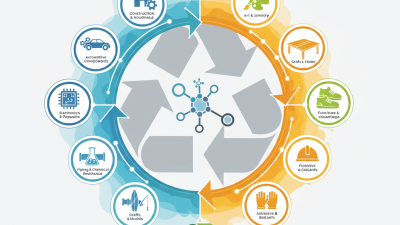
The importance of plastic epoxy resin lies in its applications across numerous industries. In construction, it is used for coatings, adhesives, and flooring solutions. The aerospace sector increasingly relies on epoxy resin for lightweight structural components. Its chemical resistance makes it suitable for automotive parts, especially those exposed to harsh conditions. Despite its advantages, there are challenges in recycling epoxy resin. The curing process makes it difficult to repurpose, leading to environmental concerns.
Additionally, while epoxy resin performs well under a variety of conditions, it does have limitations. Factors like temperature and humidity can affect curing times and final properties. Knowledge of these variances is essential for ensuring optimal performance. Understanding the complexities of plastic epoxy resin helps industries innovate safely and sustainably.
The Composition of Plastic Epoxy Resin
Plastic epoxy resin is a pivotal material extensively used in various industries due to its impressive characteristics. Understanding its composition is vital to appreciate its functional advantages.
Epoxy resins are primarily derived from the chemical reaction between epichlorohydrin and bisphenol-A. This reaction creates a thermosetting polymer that exhibits enhanced durability and resistance to environmental factors.
The composition of plastic epoxy resin includes epoxide groups, which are fundamental to its adhesive properties. These groups react with hardeners to form a cross-linked structure, resulting in a robust and stable material.
Additives such as fillers, pigments, and modifiers can be introduced to tailor specific properties, optimizing performance for diverse applications. This flexibility in formulation allows resin manufacturers to meet unique industry needs.
However, there are challenges. The curing process, for instance, requires precise control of temperature and humidity. An improper cure can lead to compromised strength and adhesion. Moreover, the environmental impact of epoxy resins raises questions about sustainability.
It is essential for manufacturers to explore eco-friendly alternatives while maintaining performance standards. As technology evolves, finding a balance between innovation and environmental responsibility remains a critical focus in the industry.
Applications of Plastic Epoxy Resin in Various Industries
Plastic epoxy resin has gained significant traction across various industries due to its exceptional properties. In the automotive sector, it is used for coatings and parts that require high durability and resistance to chemicals. A report by MarketsandMarkets estimates that the automotive application of epoxy resins is projected to reach $1.57 billion by 2025. These resins enhance vehicle performance while providing a lightweight solution, crucial for fuel efficiency.
In the construction industry, epoxy resin is essential for adhesive applications, flooring, and protective coatings. According to Grand View Research, the global market for epoxy resins in construction is anticipated to grow significantly, driven by increasing urbanization and infrastructure investments. Epoxy coatings provide superior adhesion and durability, making them ideal for environments exposed to moisture and heavy wear. However, some concerns have been raised regarding the longevity of these materials under extreme weather conditions, leading to ongoing research aimed at improving their performance.
The electronics sector also benefits greatly from plastic epoxy resin. It is frequently used in circuit boards and encapsulation processes due to its electrical insulation properties. A report from Research and Markets indicates that the demand for epoxy resin in electronics is on the rise, particularly with the growing use of smart technologies. Still, manufacturers face challenges related to environmental impact and recyclability, prompting a need for more sustainable alternatives in the future.
Advantages of Using Plastic Epoxy Resin
Plastic epoxy resin stands out in various applications due to its unique properties. It is known for its durability and strong adhesive capabilities. This makes it ideal for projects that require robust bonding. Whether in construction or art, this resin provides a reliable solution. The chemical structure of epoxy enhances its resistance to moisture and heat, allowing it to perform well in challenging environments.
One significant advantage of using plastic epoxy resin is its versatility. It can be molded into various shapes, making it perfect for intricate designs. Many artisans utilize epoxy for crafts, giving a glossy finish that elevates the aesthetic appeal. In industries, its use extends to protective coatings, ensuring longevity for surfaces exposed to harsh conditions.
Despite its many benefits, there are challenges. Mixing epoxy resin requires precise ratios, demanding care and precision. Improper mixing can lead to undesirable outcomes. This encourages users to pay attention throughout the process for successful results. Ultimately, while plastic epoxy resin provides numerous advantages, attention to detail is essential for optimum performance.
Environmental Considerations and Future of Plastic Epoxy Resin
Plastic epoxy resin has gained popularity for its versatility in various applications, ranging from construction to consumer goods. However, environmental considerations surrounding its production and disposal are becoming increasingly critical. Traditional epoxy resins can release harmful compounds during manufacturing and when they degrade in landfills. This raises concerns about air and soil pollution. Consumers and manufacturers must be aware of the environmental impact of using plastic epoxy resin.
Future advancements in this field may lead to the development of more sustainable alternatives. Bioplastics and eco-friendly formulations are gaining traction, presenting promising solutions. These innovations could significantly reduce the carbon footprint while maintaining the performance characteristics that epoxy resins are known for. A focus on circular economy practices is vital. Recycling and repurposing existing plastic epoxy products can lessen the amount of waste generated.
While progress is being made, challenges remain. The industry must address issues related to recycling methods and product lifecycle management. Stakeholders must collaborate to establish standards that prioritize environmental health. Awareness and education about the environmental implications of plastic epoxy resin are essential for fostering responsible use. As we explore the future of this material, we must consider the balance between utility and sustainability.
What is Plastic Epoxy Resin and Why is it Important? - Environmental Considerations and Future of Plastic Epoxy Resin
| Dimension |
Description |
Importance |
Future Considerations |
| Chemical Composition |
Epoxy resins are thermosetting polymers created by the reaction of epoxide resins with hardeners. |
Strong adhesion and resistance to chemicals make it crucial for various industries. |
Research into bio-based epoxy resins to reduce environmental impact. |
| Applications |
Used in coatings, adhesives, and composites. |
Versatile use across automotive, aerospace, and construction sectors. |
Sustainability initiatives to minimize waste and promote recycling of materials. |
| Environmental Impact |
Can emit volatile organic compounds (VOCs) during curing. |
Understanding impacts drives regulatory measures and innovation. |
Development of low-VOC and eco-friendly alternatives is crucial. |
| Durability |
Highly resistant to thermal degradation and environmental conditions. |
Increases lifespan of products, reducing overall waste. |
Continued research into enhancing properties for demanding applications. |
| Market Growth |
Expanding use in electronics, construction, and renewable energy sectors. |
Driving economic growth and innovation in materials science. |
Forecasting an increase in demand due to the green technology movement. |