What is PPR Welding and How is it Used in Construction?
Ppr Welding has gained traction in the construction industry due to its efficiency and reliability. According to a 2022 report by MarketsandMarkets, the global PPR pipe market is projected to reach $2.5 billion by 2027. This growth reflects the rising demand for durable and sustainable building materials in various applications, including plumbing and heating systems.
PPR welding, or Polypropylene Random Copolymer welding, is renowned for its joint strength and leak-proof connections. The process involves heating the PPR pipes and fittings, allowing them to fuse seamlessly. Industry experts emphasize that proper technique is crucial to ensure long-lasting joints. A misstep in execution can lead to future failures and costly repairs.
Despite its benefits, PPR welding does have limitations. It requires specific training and expertise for optimal results. While the technique is generally safe, there is always a risk of improper welding affecting system performance. Continuous education and adherence to industry standards are essential for successful implementation. As PPR welding continues to evolve, addressing its challenges remains a priority for professionals in the field.
What is PPR Welding?
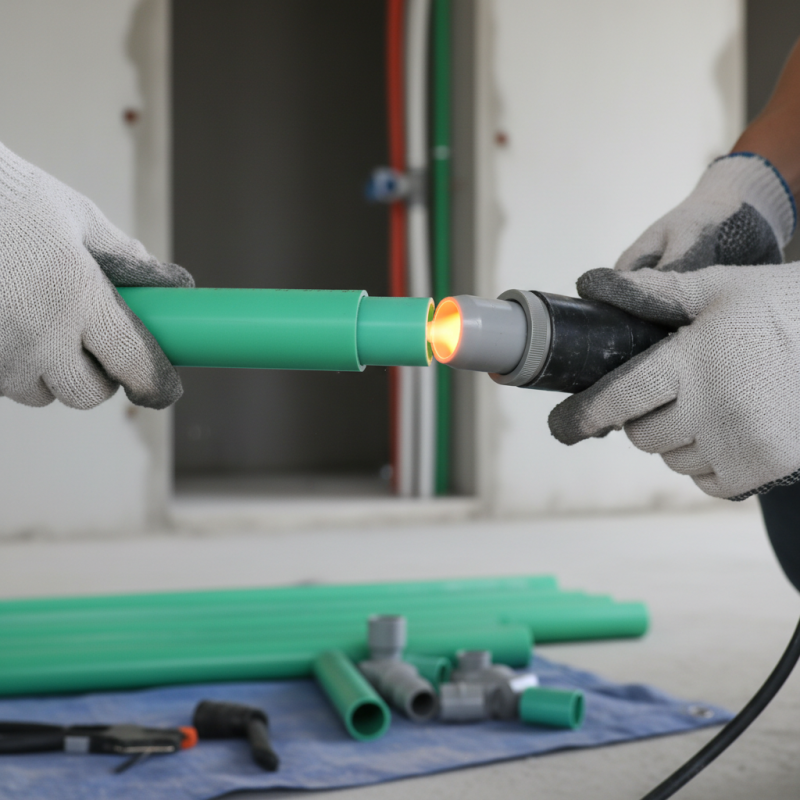
PPR welding, or Polypropylene Random Copolymer welding, is a process used in construction to join PPR pipes and fittings. This technique involves heating the pipe ends and then pressing them together. The heat causes the plastic to melt and fuse, creating a strong bond. The process is widely appreciated for its durability and resistance to corrosion.
In construction, PPR welding is often employed for hot and cold water supply systems. It is lightweight and easy to install, making it a popular choice among contractors. However, the method requires careful temperature control. If overheated, the material can degrade, leading to weak joints. Workers must be trained to ensure optimal welding conditions. PPR welding has limitations too. It may not be suitable for high-pressure applications, which raises questions about its versatility. Understanding these factors is essential for effective use in various construction projects.
PPR Welding Applications in Construction
Principles of PPR Welding Technology
PPR welding, or Polypropylene Random Copolymer welding, has become crucial in construction. This method relies on the principles of heat fusion. When two PPR pipes are heated to a specific temperature, they bond together to create a solid joint. According to a recent industry report by Research and Markets, PPR pipes can handle higher temperatures up to 95 degrees Celsius, making them suitable for hot water applications.
The technology behind PPR welding emphasizes precision. The right temperature and timing ensure strong joints with minimal leakage risks. In a study conducted by the Institute of Pipe Engineering, it was found that improperly welded joints can reduce the lifespan of pipes significantly. This highlights the importance of skilled professionals in executing the welding process. While the method is generally reliable, factors like surface cleanliness and equipment calibration must be carefully monitored.
PPR welding also presents challenges. Sometimes, inadequate fusion can lead to weaknesses in joints. Construction professionals must regularly review their welding techniques and equipment. Data from the European Pipes Association suggests that ongoing training is essential for welders to maintain high-quality standards. Investing in training enhances the reliability of PPR welding in construction projects, ensuring the long-term integrity of piping systems.
Applications of PPR Welding in Construction
PPR welding has become a popular technique in construction due to its versatility. This method utilizes Polypropylene Random Copolymer pipes for various applications. These pipes are known for their resistance to chemical corrosion and high pressure. PPR welding ensures strong, leak-proof joints, which are essential for pipelines.
In residential construction, PPR welding is widely used for plumbing systems. The durability of PPR pipes helps reduce maintenance costs. They can handle hot and cold water supplies efficiently. However, some worry about the long-term effects of heat on PPR materials. It's important to pay attention to the temperatures these pipes endure.
Another significant application is in heating systems. PPR pipes are lightweight and easy to install. This characteristic saves time on construction sites. Yet, the installation process requires skilled technicians to avoid mistakes. Improper techniques can lead to leaks or joint failures. The attention to detail in PPR welding is crucial for successful applications in construction.
Advantages of Using PPR Welding in Building Projects
PPR welding offers numerous advantages for construction projects. One major benefit is its ability to create strong, durable joints. These joints can withstand high pressures and temperatures. This makes PPR systems reliable for water supply and heating applications. The process is straightforward, which can save time and labor costs.
Another advantage is the resistance to corrosion. Traditional metal pipes often suffer from rusting, leading to leaks and failures. PPR pipes, in contrast, do not corrode, ensuring a longer lifespan. However, it's crucial to monitor installation practices. Poor handling can lead to joint failures, which may require repairs. Additionally, PPR limits heat loss in heating systems. This efficiency can result in lower energy bills over time.
Despite its benefits, PPR welding requires skilled professionals. Inexperience can result in improper fusion, rendering the pipes ineffective. Builders should invest in training. Quality control during the installation phase is also essential. It helps identify potential issues early on. Addressing these concerns will enhance the reliability of the entire system.
Safety Considerations in PPR Welding Techniques
PPR welding is widely used in construction for joining pipes. However, safety considerations are crucial. Workers must be aware of potential hazards. Improper techniques can lead to accidents and injuries. Therefore, understanding safety protocols is vital.
Wearing appropriate personal protective equipment (PPE) is essential. This includes gloves, goggles, and protective clothing. These items prevent exposure to fumes and heat. Proper ventilation in the workspace is also necessary. Ensure that the area is well-ventilated to minimize inhalation risks.
One key tip is to check equipment regularly. Damaged tools can result in faulty welds and increased danger. Training and practice are also important for skill development. Engage in hands-on training sessions to build confidence. Lastly, always have a first aid kit nearby. Quick access to medical supplies can make a difference in emergencies. Safety should never be compromised during PPR welding.