What Makes Tempered Glass Essential for Your Business Needs?
Tempered Glass is a critical component in modern business. It provides strength, safety, and aesthetic appeal. Renowned expert Dr. Emily Holloway states, "Tempered Glass brings a balance of durability and elegance to any commercial space." This statement encapsulates the essence of why businesses should prioritize this material.
In high-traffic areas, the impact resistance of Tempered Glass is essential. It minimizes the risk of breakage, ensuring a safer environment for both employees and customers. However, not all suppliers offer the same quality. It’s important to choose trusted manufacturers to avoid potential hazards.
Moreover, legislation around glass safety is evolving, creating pressure for businesses to comply. Failing to use proper materials can lead to costly lawsuits and damage to reputation. As companies navigate these challenges, the choice of Tempered Glass can either enhance or undermine their operational integrity. Balancing cost and reliability should always be a priority in material selection.
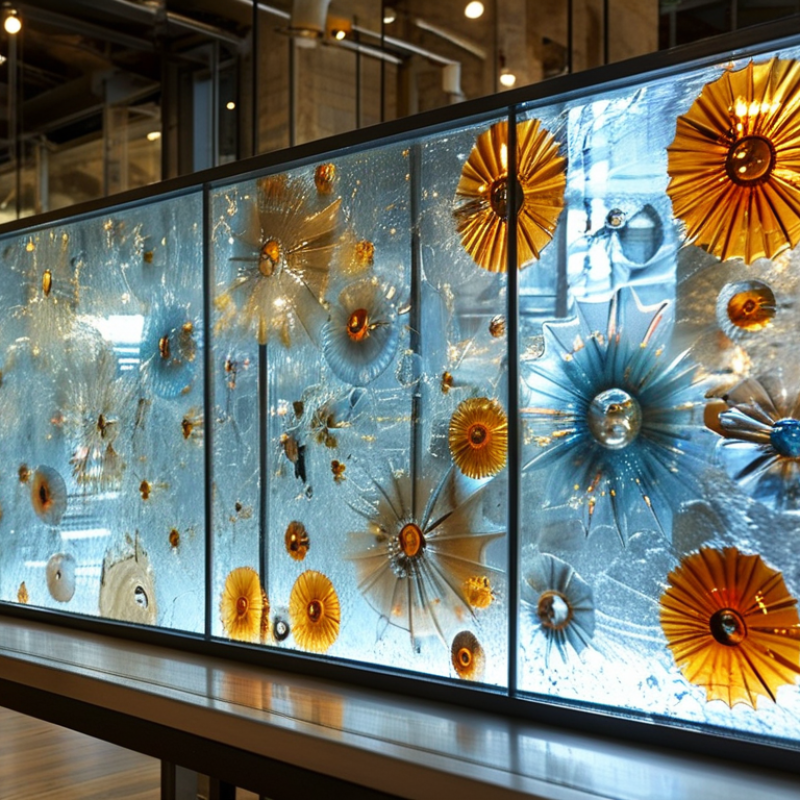
Understanding the Basics of Tempered Glass and Its Manufacturing Process
Tempered glass is a critical material for many industries, primarily due to its strength and safety features. The manufacturing process begins with heating the glass to a high temperature, around 620°C (1,148°F), followed by rapid cooling. This process creates internal compressive stresses, making tempered glass up to five times stronger than ordinary glass. Reports indicate that tempered glass accounts for over 50% of the commercial glass market, a testament to its widespread adoption.
The impact resistance of tempered glass is a significant advantage in various applications. This type of glass shatters into small, blunt pieces, reducing injury risk. A recent study highlighted that 70% of construction professionals consider safety as the top reason for using tempered glass. However, some professionals note that the initial cost can be higher than that of regular glass, leading to budget considerations in projects.
Despite its advantages, challenges can arise. For instance, the glass must be cut and finished before tempering. Any flaws made after the process cannot be repaired. Moreover, harsh environmental conditions can impact its durability, though this is often mitigated by proper installation. Understanding these aspects is essential for businesses to make informed decisions when choosing tempered glass for their needs.
The Advantages of Using Tempered Glass in Commercial Applications
Tempered glass is increasingly vital for commercial applications. Its strength and safety features make it popular for businesses seeking durability. This type of glass undergoes intense heating and cooling, making it resistant to impacts and thermal stress. It's five to six times stronger than regular glass, reducing the likelihood of shattering. This strength is crucial for settings like storefronts or conference rooms where glass safety is a priority.
Using tempered glass can enhance the aesthetic appeal of your space. It offers a sleek, modern look that complements various designs. Furthermore, tempered glass has excellent thermal insulation properties. This can help reduce energy costs and maintain comfortable indoor temperatures. Consider incorporating it into partitions, doors, or windows for an upscale feel.
When selecting glass for your business, consider a few factors. Think about the environment your glass will face. Will it endure heavy usage or high temperatures? Choose tempered glass to ensure longevity. Also, reflect on the installation process. Always rely on professional services for installation to maximize safety and effectiveness. Remember, the right choice can make a significant difference in your business environment.
Key Industries That Benefit from Tempered Glass Solutions
Tempered glass is increasingly recognized for its critical role across various industries. It is widely used in architecture, automotive, and electronics, making it an integral part of modern design and functionality. According to a recent market report, the global tempered glass market is expected to reach $57 billion by 2025. This informs us about its growing demand and importance.
In the architectural sector, tempered glass is favored for its durability and safety. Buildings benefit from its ability to withstand extreme weather and impacts. This reduces the risk of injury from broken glass. In automotive applications, this glass is essential for windshields and windows, providing both strength and clarity. The transportation industry relies on tempered glass to enhance vehicle safety.
For optimal use, consider investing in quality tempered glass. Regularly evaluate the standards and certifications of your suppliers. Ensure they meet industry regulations. Be mindful of potential challenges in sourcing and installation. Up-to-date training for your staff is also crucial. Knowledge of proper handling techniques can mitigate the risk of breakage and ensure safety throughout your projects.
Safety and Durability: Why Tempered Glass Is a Smart Investment
Tempered glass stands out as an essential material for businesses that prioritize safety and durability. It's processed at high temperatures to enhance its strength compared to regular glass. This makes it less likely to break under stress. When it does break, it shatters into small, blunt pieces, greatly reducing the risk of injury. This quality alone makes tempered glass a smart investment for various applications, from storefronts to office partitions.
Choosing the right type of tempered glass can be complex. Businesses should consider factors such as thickness and size requirements. These specifications are crucial to ensure optimal performance. Additionally, it's wise to think about the environment where the glass will be used. If it's exposed to extreme temperatures or weather conditions, extra precautions might be necessary. Even with high durability, reflections and glare might also pose challenges in certain settings.
Here are some tips for selecting tempered glass. Evaluate your specific needs carefully. Look for local professionals who have experience in glass installation. They can provide insights and help navigate the various styles and options available. Keep in mind that maintenance is vital too. Regular cleaning and inspections can prolong the life of your tempered glass products. Remember, investing in the right materials can ultimately save costs in repairs and replacements.
Comparative Analysis: Tempered Glass vs. Traditional Glass Options
Tempered glass is gaining traction in various industries. Its strength and safety features make it a favorable choice compared to traditional glass. Industry reports suggest tempered glass is up to five times stronger than standard glass. This makes it ideal for high-traffic areas, such as storefronts or lobbies.
The performance of tempered glass in extreme conditions is noteworthy. For instance, it can withstand high heat without breaking, making it suitable for applications like shower doors and kitchen backsplashes. However, installation can be tricky. Improper fitting may lead to issues, such as thermal stress. A report from the Glass Association highlights that even minor installation errors can compromise the glass's performance.
Cost is another factor to consider. While tempered glass can be more expensive upfront, its durability can lead to long-term savings. Less frequent replacements and lower maintenance requirements can offset the initial investment. Companies must weigh these aspects carefully. Balancing durability with budget constraints poses a challenge. Ultimately, the choice between tempered and traditional glass should align with specific business needs and operational realities.
Comparative Analysis: Tempered Glass vs. Traditional Glass Options