Top 5 Artificial Lift Technologies for Oil Production?
In the oil production industry, efficiency is key. Many operators rely on Artificial Lift Technologies to enhance recovery rates. These technologies play a crucial role in extracting oil when natural pressure declines. Understanding the different types of artificial lift methods is critical for maximizing production.
Various Artificial Lift Technologies offer distinct advantages and disadvantages. Some systems, like rod pumps, are simple and cost-effective. Others, such as electric submersible pumps, deliver higher outputs but may require more maintenance. Each choice has its unique challenges, prompting operators to consider specific field conditions.
As the industry evolves, the demand for innovative solutions grows. The effectiveness of any artificial lift system can vary based on geological and operational factors. Operators must continually assess performance and adapt technologies to meet their needs. This ongoing reflection is vital for sustaining productivity in a competitive market.
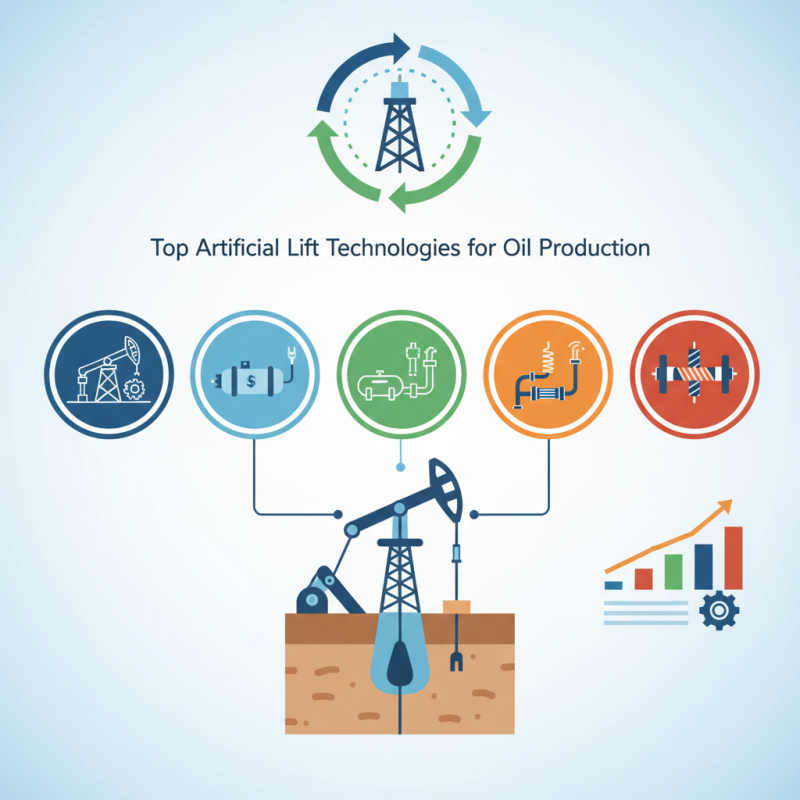
Overview of Artificial Lift Technologies in Oil Production
Artificial lift technologies play a critical role in enhancing oil production. These methods help extract more fluids from reservoirs. Various techniques can be employed, each with unique benefits and challenges.
One popular approach is the use of sucker rod pumps. They consist of rods that move up and down. This mechanical action drives the fluid to the surface. While effective, they often require regular maintenance. This process can become time-consuming, leading to production delays.
Another method is the use of gas lift systems. Here, gas is injected into the well to reduce fluid density. This can increase flow rates significantly. However, gas management presents challenges. Proper balance is necessary to avoid inefficiencies. Many operators find themselves grappling with these complexities.
Common Challenges in Oil Production Requiring Artificial Lift Solutions
Artificial lift technologies play a crucial role in addressing various challenges in oil production. One major issue is the decline in reservoir pressure. As extracted hydrocarbons decrease, new methods are necessary to maintain production levels. In some fields, this decline can be as much as 70%within just a few years. This rapid drop necessitates efficient Artificial Lift Systems to ensure sustained output.
Another challenge is the management of water production. Up to 80% of oil wells experience significant water production, complicating separation and increasing costs. The presence of water can lead to reservoir damage, making it harder to extract oil. Implementing artificial lift solutions, such as gas lift or electric submersible pumps, helps mitigate these troubles. The oil industry reports that around 15% of global oil production relies on artificial lift techniques to handle these challenges effectively.
Finally, the need for technology adaptation is vital. Factors like varying reservoir conditions must be considered. Hence, the one-size-fits-all approach does not work. Reports indicate that around 40% of production losses arise from inadequate lifting techniques. Understanding these complexities is crucial for optimizing oil recovery. Balancing costs with efficiency remains a pertinent issue in artificial lift technology adoption.
Top 5 Artificial Lift Technologies Used in the Industry
Artificial lift technologies are essential for enhancing oil production in the industry. Among the most used are Electric Submersible Pumps (ESPs), Beam Pumps, and Gas Lift systems. ESPs account for about 25% of oil production. They are efficient but can be costly to maintain. Beam pumps, also known as sucker rod pumps, are common in onshore applications. They are less expensive but may require more frequent servicing.
Another notable technology is the Plunger Lift system. Plunger lifts are cost-effective and reliable. They operate without continuous energy input, which is advantageous in remote locations. Gas Lift systems are also widely used. They utilize gas injections to lower the fluid density, allowing the oil to flow more easily. However, maintaining the right pressure for efficient gas lift can be challenging.
Despite their advantages, these technologies also face setbacks. For instance, maintaining ESPs can be complicated due to scalability in different wells. Additionally, declining reservoir pressure can limit the effectiveness of gas lifts. Each technology has its pros and cons, requiring careful consideration from operators. Industry reports indicate that selecting the right artificial lift method can significantly impact overall production efficiency.
Comparative Analysis of Each Artificial Lift Technology
Artificial lift technologies are critical for maximizing oil production. They enhance the flow of oil from reservoirs, making extraction more efficient. The top five technologies include Artificial Gas Lift, Submersible Pump Systems, Rod Pump Systems, Electrical Submersible Pumps, and Plunger Lift Systems.
Artificial Gas Lift uses gas to reduce the density of the liquid column in the well. This method can increase production rates by 15 to 30%, as reported by the Society of Petroleum Engineers. Submersible Pump Systems are versatile and can pump high volumes. However, they often require extensive maintenance, leading to operational downtime. Rod Pump Systems have been around for decades. They are reliable but struggle in wells with high water cuts. Electrical Submersible Pumps, while effective, can experience failures due to harsh well conditions, resulting in costly repairs. Plunger Lift Systems are suitable for low-production wells but may not be as efficient in high-volume situations.
Operational challenges remain in each method. While technologies can improve yield, each has unique limitations. Performance often varies based on reservoir conditions and well design. Continual evaluation and adaptation are required for optimal performance. In the ever-evolving landscape of oil production, understanding these nuances is vital for success.
Top 5 Artificial Lift Technologies for Oil Production
This chart provides a comparative analysis of the efficiency of the top 5 artificial lift technologies used in oil production based on their average production rate (in barrels per day). The data reflects the effectiveness of each method in enhancing oil extraction.
Future Trends and Innovations in Artificial Lift Technologies
Artificial lift technologies play a crucial role in enhancing oil production efficiency. Future trends focus on smart systems that utilize real-time data for optimization. These technologies are becoming more adaptive to varying reservoir conditions. They improve the decision-making process, enabling better production management.
Tips: Always assess the specific needs of your reservoir. Adapting technologies to fit these needs is essential for maximizing output. Not every lift method will suit all operations.
Artificial lift systems are evolving. Innovations such as artificial intelligence and machine learning are shaping the future. These advancements allow for predictive maintenance, reducing downtime significantly. However, the integration of new technologies requires careful planning. Not all operators are fully prepared for these changes.
Tips: Stay informed about ongoing innovations in the field. Engage with experts who can provide insights into effective implementations. Continuous improvement is key; don’t shy away from revisiting your strategies frequently.