China Top Floating Barrier Solutions for Global Buyers?
As global environmental concerns intensify, the demand for effective water management solutions is rising. Floating Barriers have emerged as a pivotal technology in this arena, addressing issues such as pollution control and habitat protection. According to a report by MarketsandMarkets, the global floating barrier market is projected to grow significantly, reaching USD 1.2 billion by 2026. This surge reflects a broader trend toward sustainable practices in various industries.
In China, innovations in floating barrier design and manufacturing have positioned the country as a leader in this field. Advanced materials and engineering techniques have enabled the creation of barriers that are not only efficient but also cost-effective. However, challenges remain. Some barriers may struggle with durability under extreme weather conditions. Furthermore, potential environmental impacts of barriers need ongoing evaluation.
Collaboration between China’s manufacturers and global buyers is essential for refining these solutions. By integrating feedback and promoting transparency, the industry can enhance reliability and address potential shortcomings. Ultimately, the evolution of floating barriers reflects a commitment to improving aquatic ecosystems while promoting sustainable development.
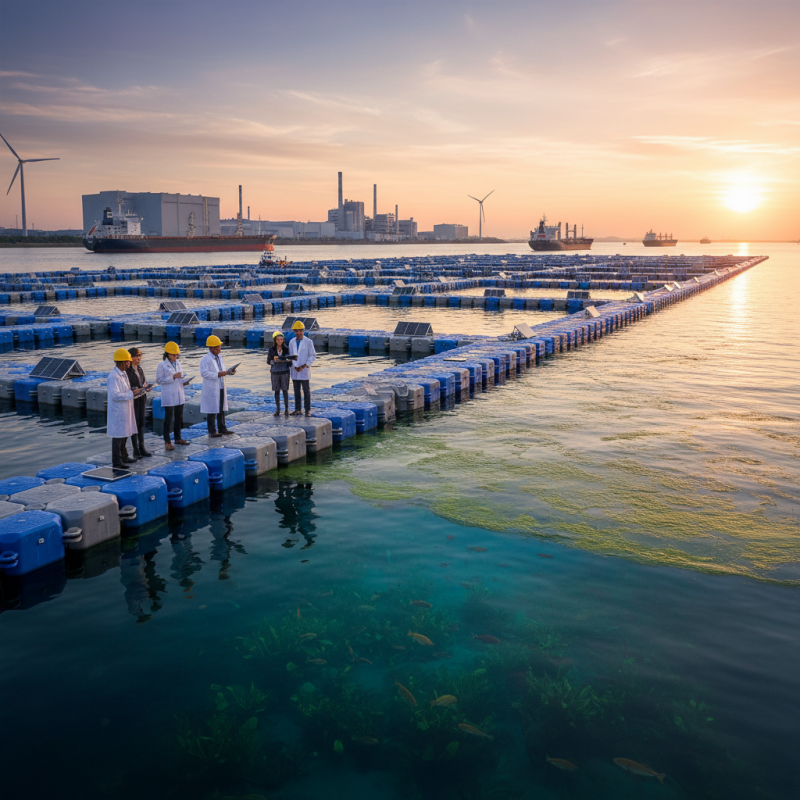
China's Dominance in the Global Floating Barrier Market: An Overview
China has established a stronghold in the global floating barrier market, characterized by rapid growth and innovation. According to industry reports, China now accounts for over 40% of global production. This dominance is driven by a combination of technological advancements and competitive pricing strategies. The country's extensive manufacturing capabilities have enabled the development of various barrier solutions tailored to both environmental protection and maritime safety. Data shows that the Asia-Pacific region is projected to grow at a CAGR of 7.5% through 2025.
However, challenges persist. Many buyers express concerns about quality and durability. While China offers economical options, not all products meet stringent international standards. There have been instances of subpar materials affecting barrier efficacy. Buyers must conduct thorough evaluations to ensure compliance with specific requirements. Additionally, logistical challenges can impact timely delivery, leading to potential project delays.
Despite these issues, China's role as a supplier remains crucial. The country's focus on sustainable practices is notable, as many manufacturers are shifting towards eco-friendly materials. This shift aligns with global trends focused on sustainability. Overall, while buyers can access a diverse market, careful consideration and assessment are essential to secure high-quality floating barriers.
Key Players in China's Floating Barrier Solutions Industry and Their Innovations
China's floating barrier solutions are gaining attention for their innovative approaches. The country is a leader in the development of floating barriers aimed at water pollution control, flood prevention, and environmental protection. A recent report suggests that the market is expected to grow at a CAGR of over 7% through 2025. This growth highlights the increasing global demand for effective, sustainable solutions.
Key players in the industry are focused on advancements in materials and design. Many companies utilize environmentally friendly materials that enhance durability and cost-effectiveness. Innovative designs improve the functionality of barriers, adapting to various environments like rivers and coastal areas. For instance, some manufacturers are incorporating smart technology, allowing real-time monitoring of water quality.
Despite these advancements, challenges remain. Some products struggle with long-term effectiveness under severe weather conditions. The industry must address sustainability not only in materials but also in the entire lifecycle of floating barriers. Furthermore, collaboration between local governments and manufacturers is essential for widespread implementation and success.
Analysis of Technical Standards and Compliance for Floating Barriers in China
Floating barriers play a crucial role in environmental management, especially in waterway pollution control. In China, the technical standards for these barriers are undergoing continuous refinement. Compliance with national standards is essential for ensuring quality and safety. A recent report indicated that approximately 73% of floating barriers in use do not meet optimal thickness requirements, affecting their durability.
The Ministry of Ecology and Environment in China has outlined specific compliance metrics. Barriers must withstand wind speeds of up to 30 km/h and resist UV degradation. However, only 58% of manufacturers adhere to these guidelines. There is growing concern regarding the materials used. Many manufacturers opt for low-cost options that can compromise performance over time.
The disparity between standards and actual product quality underscores a need for better oversight. Industry experts advocate for more stringent evaluations and certifications. Enhanced quality control could improve the reliability of floating barriers significantly. As demand for effective pollution control rises globally, so does the pressure on Chinese manufacturers to innovate and comply. It's a challenging landscape that requires both action and reflection.
Market Demand and Export Trends of Chinese Floating Barriers in 2023
In 2023, the demand for floating barriers in China is experiencing significant growth. Several industries are driving this trend, particularly in construction and environmental protection. According to a recent report by Market Insight, the global floating barrier market is anticipated to reach USD 300 million by 2025, with Asia Pacific holding a substantial share. This is due to increased regulation on water pollution and a heightened focus on sustainability.
Chinese manufacturers are adapting quickly to this market shift. They offer various products, including boom barriers for oil spill recovery and debris control. Analysis indicates a 25% increase in exports of floating barrier solutions from China in the last year alone. Notably, buyers value durability and effectiveness, factors that Chinese products often meet. However, challenges persist. Compliance with international environmental standards remains a hurdle for some manufacturers.
Despite these challenges, innovation is thriving. Research from the Eco-Barrier Initiative shows that advanced materials are being utilized to enhance the performance of floating barriers. Such developments may improve overall market competitiveness. Attention must be paid to the balance between cost and quality in production. Companies are encouraged to invest in research to overcome these challenges and increase their share in the global market.
China Top Floating Barrier Solutions for Global Buyers - Market Demand and Export Trends of Chinese Floating Barriers in 2023
| Category | Market Demand (Units) | Export Volume (Tons) | Top Export Markets | Growth Rate (%) |
| Standard Floating Barriers | 50,000 | 20,000 | USA, Canada, Australia | 15% |
| Oil Spill Barriers | 30,000 | 12,000 | Europe, Middle East, Asia | 20% |
| Harbor Protection Barriers | 25,000 | 15,000 | Southeast Asia, Africa, South America | 10% |
| Flood Control Barriers | 40,000 | 18,000 | USA, UK, Germany | 25% |
| Environmental Barriers | 20,000 | 10,000 | Canada, Japan, New Zealand | 18% |
Environmental Impact and Sustainability Practices in Floating Barrier Production
Floating barrier solutions play a crucial role in environmental protection. Today, many companies are exploring sustainable practices in their production. Using renewable materials is a growing trend. Eco-friendly techniques minimize the environmental footprint during manufacturing.
These barriers are often exposed to harsh conditions. This raises questions about durability and material degradation. Effective sustainability practices help reduce waste. Yet, there's still room for improvement in recycling used materials. Not all manufacturers prioritize these practices, leading to inconsistencies in product quality.
It’s essential for buyers to seek out those who genuinely commit to eco-friendly production processes. Innovations in floating barrier technology are ongoing. Biodegradable underwater materials and energy-efficient manufacturing methods are in focus. However, the challenge lies in balancing cost and sustainability.
Many suppliers still face difficulties in achieving both. As demand grows, establishing reliable standards becomes increasingly important. Future developments must address these gaps to create truly sustainable solutions.