What Is an Automatic Feeding Gluing Machine?
An Automatic Feeding Gluing Machine combines product feeding, adhesive application, folding, and delivery in one coordinated system. It is widely used for cartons, paper bags, envelopes, labels, and other folded packaging. Instead of relying on operators to place each blank by hand, the machine guides materials through rollers, belts, sensors, and controlled glue nozzles.
Jim Pittas, President and CEO of PMMI, has emphasized the broader value of automation: “Automation helps manufacturers improve consistency, efficiency, and workplace safety.” That principle applies directly here. A well-adjusted Automatic Feeding Gluing Machine can maintain steady spacing, reduce excess adhesive, and support cleaner production lines. You can see the difference in small details: aligned carton edges, even glue beads, and fewer rejected pieces near the delivery section.
But automation is not magic. Material thickness, humidity, adhesive viscosity, and operator settings still affect results. A machine may run quickly, yet poor feeding calibration can create jams within minutes. That is where practical experience matters. Technicians must inspect belts, clean glue paths, and test folding accuracy before full production begins.
The technology also deserves careful evaluation. Not every factory needs the fastest model. A slower machine with reliable changeovers may deliver better long-term value. This article explains how an Automatic Feeding Gluing Machine works, what components control its performance, and which selection factors deserve attention. Some assumptions may fail in real workshops. That is worth remembering.
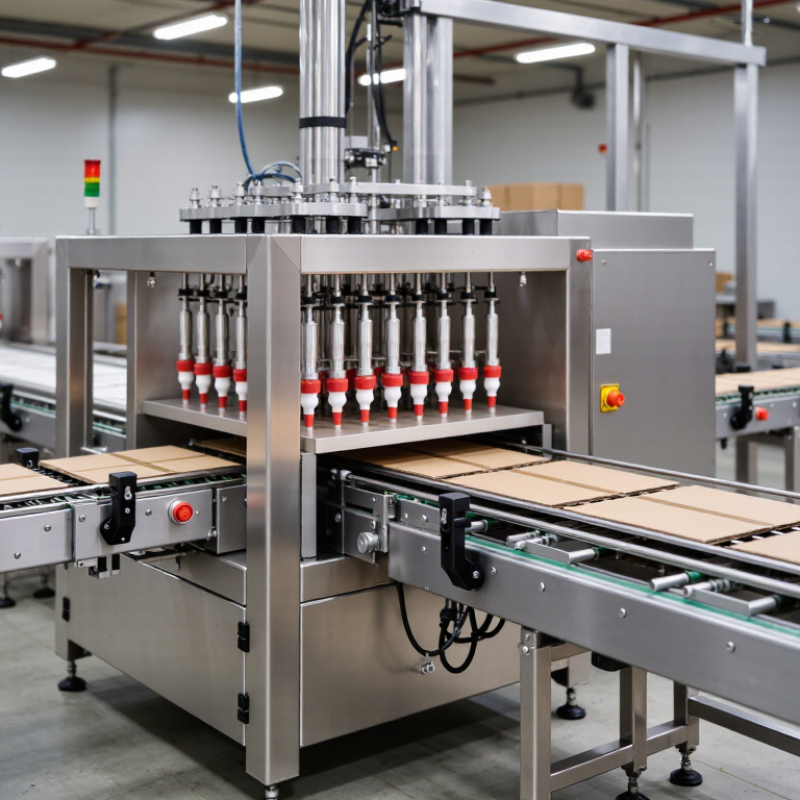
Definition and Core Purpose of an Automatic Feeding Gluing Machine
An automatic feeding gluing machine is a packaging line that feeds flat sheets, applies adhesive, folds panels, and delivers finished cartons. Its core purpose is controlled, repeatable box production. Sensors guide each blank through the feeder, while rollers and folding belts maintain alignment. Operators mainly adjust dimensions, glue quantity, speed, and compression time.
Smithers’ 2024 report, The Future of Global Corrugated Packaging to 2029, estimates the worldwide corrugated packaging market at about US$205.7 billion in 2024. It also forecasts growth toward approximately US$246 billion by 2029. This expansion increases pressure for stable output and lower material waste. Automatic feeding helps meet that need, especially during long production runs. However, automation is not magic. Poor sheet quality, incorrect scoring, or excessive adhesive can still cause jams and rejected cartons. In practice, setup discipline matters as much as machine speed.
Tips: Check feeder suction, belt pressure, and glue viscosity before production. Test a small batch first. Operators should inspect folded seams and compression marks regularly. A production log can reveal recurring faults, although many factories record too little data. That is an avoidable weakness. Choose a machine based on carton style, sheet range, required speed, and maintenance access, rather than headline output alone.
Main Components and How the Machine Works
An automatic feeding gluing machine forms cartons by feeding flat blanks, applying adhesive, and folding panels into shape. Its main components work as one controlled system.
The feeding unit uses belts, rollers, and vacuum devices to separate blanks from a stack. Poorly adjusted suction can pull two sheets together. It happens. The alignment section then squares each blank with side guides and registration stops. Accurate positioning matters because even a small offset can weaken the glued seam.
The gluing unit usually includes an adhesive tank, pump, nozzle, or wheel applicator. Sensors monitor glue presence and sheet movement. Folding rails and compression belts guide the blank through its final shape. A delivery section keeps pressure on the carton while the adhesive sets. Operators still inspect glue lines, belt wear, and blank moisture.
Smithers’ The Future of Global Packaging to 2028 forecasts the packaging market will exceed 1.2 trillion US dollars by 2028. That growth increases demand for stable, higher-speed carton production. PMMI industry research also identifies labor shortages and quality consistency as major reasons for packaging automation. Yet speed alone is not enough. Real production conditions include warped blanks, uneven coating, and occasional sensor errors. Machine settings need practical adjustment, not blind trust in the control panel.
Types of Materials and Products It Can Process
What Is an Automatic Feeding Gluing Machine?
An automatic feeding gluing machine takes flat sheets, feeds them continuously, applies adhesive, and folds or joins them accurately. It is commonly used for cartons, paper bags, folders, envelopes, sleeves, and display packaging. In practical production, the machine reduces repetitive handling and keeps glue lines more consistent. However, its performance depends heavily on the material, adhesive, and product design.
Types of Materials and Products It Can Process
These machines can process folding carton board, corrugated board, kraft paper, coated paper, and laminated sheets. Some configurations also handle lightweight synthetic sheets, but compatibility must be checked carefully. Carton blanks may become food boxes, cosmetic cartons, medicine cartons, or mailing sleeves. Corrugated sheets are suitable for stronger shipping boxes and protective packaging. Thin paper works well for envelopes and document folders. Thick, glossy, or heavily laminated stock can be more difficult because surfaces may resist adhesive bonding. Moisture, paper grain, curling, and uneven thickness also affect feeding accuracy. A perfect setup is rare. Small material changes can require slower speeds or new pressure settings.
Tips: Test a small batch before full production. Check sheet stiffness, surface treatment, and folding points. Use the recommended adhesive for each substrate. Watch for slipping, open seams, or excess glue. One overlooked detail can waste many finished pieces. Operators should record successful settings, although those records may still need revision when paper suppliers change. Experienced technicians inspect the first samples by hand, not only through machine readings.
Key Advantages and Common Industrial Applications
What Is an Automatic Feeding Gluing Machine?
An automatic feeding gluing machine feeds, folds, and bonds flat packaging materials with limited manual handling. In daily production, it can process cartons, paperboard sleeves, envelopes, and similar products. The feeder separates sheets carefully, while rollers apply a controlled adhesive layer. Sensors then guide each piece through folding and pressing sections. That matters. Stable feeding reduces jams and keeps glue placement more consistent. Operators also spend less time repeating tiring manual movements.
Key Advantages and Common Industrial Applications
The main advantage is dependable output during long production runs. Automatic adjustment can support different sheet sizes and folding styles. A cleaner adhesive pattern may reduce waste, open edges, and rework. It also helps supervisors track production speed and material consumption. In packaging plants, the machine commonly produces food cartons, cosmetic boxes, pharmaceutical cartons, and shipping sleeves. Printing companies may use it for folders, mailers, and presentation packaging. Its value becomes clearer when labor is limited or order volumes change quickly.
However, automation is not a cure-all. Poorly cut sheets can still cause feeding errors. Excessive adhesive may stain the package or slow drying. In my experience, careful setup often matters more than maximum speed. Staff should inspect rollers, belts, sensors, and glue viscosity regularly. A short test run can reveal problems before valuable materials enter production. Different products may require different pressure, temperature, or folding settings. Neglecting these details can turn an efficient machine into an expensive source of rework.
What Is an Automatic Feeding Gluing Machine?
An automatic feeding gluing machine continuously feeds flat paperboard or corrugated blanks, applies adhesive, and folds or forms them into finished products. The chart shows a practical application-fit rating from 1 to 5, based on the machine’s ability to handle repetitive feeding, accurate glue application, and automated folding. The rating is not a market-share measurement.