Skip to Content

Liquid Molding Monthly

How to Choose China Top Polyurethane Coating Manufacturers?

Choosing China’s top Polyurethane Coating manufacturers requires more than comparing factory prices. Performance begins with evidence. A supplier may show polished catalog photographs, yet coating quality depends on resin chemistry, pigment dispersion, curing control, and application support. The global market is expanding steadily. Grand View Research estimates that the polyurethane coatings market will grow at a healthy rate through 2030, while MarketsandMarkets reports rising demand from construction, automotive, industrial equipment, and protective flooring. These figures show opportunity, but they do not prove that every manufacturer is reliable.

A practical assessment should examine laboratory capability, production consistency, and field experience. Ask for technical data sheets, safety documentation, batch records, and recent test results. Check adhesion, abrasion resistance, gloss retention, chemical resistance, and outdoor weathering. For steel structures, request salt-spray evidence and corrosion-protection results. For concrete floors, inspect moisture tolerance and curing behavior. A small sample panel can reveal pinholes, uneven leveling, or unexpected odor. It is not enough, though.

Dr. Günter Oertel, a respected polyurethane specialist and author of Polyurethane Handbook, described polyurethanes as “among the most versatile polymeric materials.” That versatility creates a selection challenge. One formulation cannot suit every climate, substrate, or project schedule. Manufacturers should explain their raw-material sources, quality-control procedures, customization limits, and technical response times. Verify certifications independently, rather than accepting scanned logos without checking. The lowest quotation may look attractive. It may also age badly. Buyers should compare total service life, not only the price per kilogram. China has capable producers, but careful verification separates dependable partners from impressive brochures.
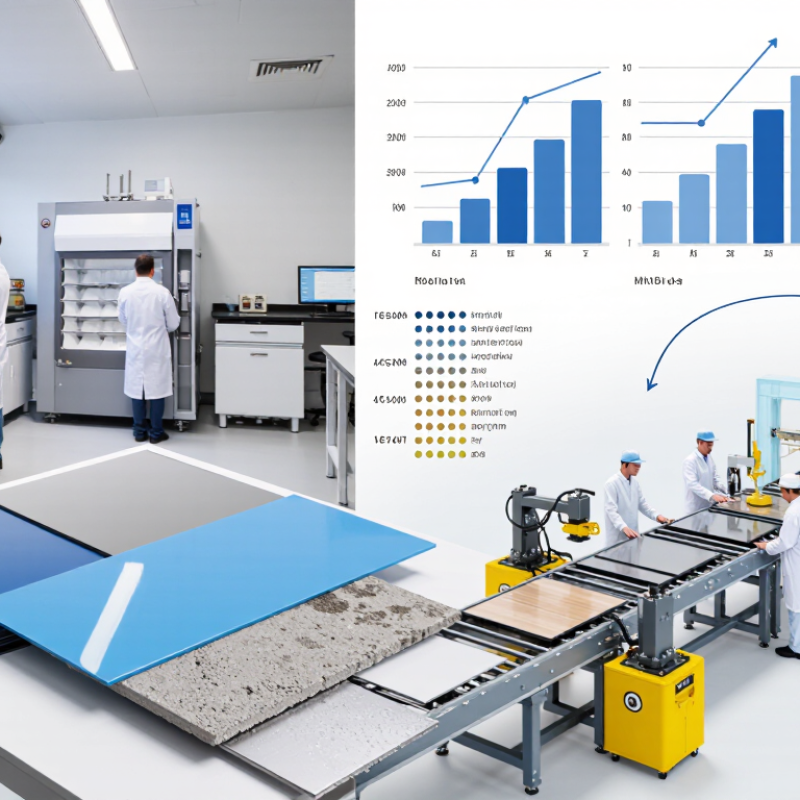
How to Choose China Top Polyurethane Coating Manufacturers?

Understanding Polyurethane Coatings and Their Industrial Applications

Polyurethane coatings protect steel, concrete, floors, pipelines, and machinery from abrasion, moisture, chemicals, and weathering. Their performance depends on chemistry, surface preparation, and curing conditions. Two-component systems usually combine a polyol resin with a curing agent. Moisture-cured products can simplify field work, but humidity may change curing speed and surface appearance.

Industrial applications require different coating designs. A factory floor may need high abrasion resistance and easy cleaning. Outdoor steel structures often require UV stability, corrosion control, and flexible movement.

Aromatic polyurethane can perform well beneath sunlight-protected layers, while aliphatic grades usually retain color better outdoors. It is not a simple “stronger is better” decision. Test before scaling.

When selecting Chinese polyurethane coating manufacturers, request technical data sheets, safety documents, batch records, and independent test reports. A reliable supplier should explain solids content, viscosity, pot life, curing time, adhesion, hardness, and chemical resistance. Ask for application guidance based on temperature and humidity.

Visit the production site when possible. Observe laboratory controls, mixing equipment, storage conditions, and sample traceability. In practice, small details matter.

I have seen projects fail because installers ignored dew-point conditions or applied coating over dusty concrete. That mistake deserves reflection. A capable manufacturer should acknowledge such risks, propose a trial area, and support inspection after curing. Price alone cannot show coating value; replacement labor, downtime, and surface repair often cost more.

Defining Your Requirements for a Chinese Polyurethane Coating Manufacturer

Before comparing Chinese polyurethane coating manufacturers, define the job the coating must perform. Identify the substrate, service temperature, chemical exposure, moisture, abrasion, and expected lifespan. A warehouse floor needs different protection from a steel tank or outdoor machinery. Be specific. Record whether the surface is concrete, carbon steel, aluminum, or plastic. Include preparation methods, application tools, curing time, and acceptable appearance. Vague requirements often produce attractive samples that fail under real operating conditions.

Your technical brief should state performance targets, not only “high quality.” Request measurable values for adhesion, hardness, elongation, chemical resistance, gloss retention, and drying time. Ask which test standards and laboratory methods support each claim. Review technical data sheets, safety documents, batch records, and quality-control procedures. A reliable manufacturer should explain limitations, not promise everything. Check production capacity, minimum order quantity, packaging, shelf life, export experience, and lead time. These details affect cost and supply continuity.

Before approving a supplier, send identical sample panels and require a controlled trial. Compare film thickness, leveling, pinholes, color consistency, and curing under stated conditions. If possible, inspect the factory and discuss raw-material traceability, equipment calibration, defect handling, and change control. Request references for similar applications, then verify them independently. Specifications can become too ambitious when budgets tighten. Leave room for a pilot order, because laboratory performance may not match a humid jobsite. That gap deserves honest attention.

Evaluating Manufacturer Expertise, Quality Standards, and Production Capacity

Choosing a polyurethane coating manufacturer in China requires more than comparing quotations. Examine technical experience with your substrate, climate, and application method. Ask for project records involving concrete floors, steel structures, or chemical-resistant surfaces. A credible team can explain curing time, adhesion testing, and failure prevention clearly. Request samples and written specifications. Vague promises are warning signs.

Quality standards should be verified, not assumed. Review documented quality systems, batch traceability, incoming-material inspection, and final testing procedures. Ask whether each batch receives viscosity, solids, adhesion, and abrasion checks. Independent laboratory reports can strengthen confidence, but confirm their dates and test methods. Test samples under conditions close to your site, including temperature and humidity. One small panel may not reveal long-term cracking. That limitation matters.

Production capacity affects delivery reliability and product consistency. Inspect mixing vessels, filling lines, storage areas, and backup plans for material shortages. Confirm monthly output, lead times, minimum order quantities, and packaging controls. A factory may claim high capacity yet lack trained operators during peak periods. I would verify this through a video audit, site visit, or recent production evidence. Communication also deserves testing. Slow, unclear answers often become costly delays. No supplier is perfect. Choose a manufacturer that admits limits, records corrective actions, and supports application training.

Comparing Product Performance, Customization Options, and Technical Support

How to Choose China Top Polyurethane Coating Manufacturers?

Product performance should be tested against your operating conditions, not only a glossy sample panel. Polyurethane coatings may offer strong abrasion resistance, chemical protection, and weather durability. However, performance changes with substrate preparation, film thickness, curing temperature, and application skill. Request ASTM D4060 abrasion results, ASTM D3363 hardness data, and adhesion results using ASTM D3359. MarketsandMarkets reported that the polyurethane coatings market is expanding steadily through 2029, driven by construction, automotive, and industrial applications. Market figures differ across reports, so treat forecasts as direction, not proof.

Customization reveals a manufacturer’s real engineering capability. Ask whether the team can adjust solids content, curing speed, color stability, gloss, and solvent or water-based formulation. A coastal steel project may need stronger salt-spray resistance. A factory floor may need fast return-to-service curing and forklift abrasion protection. Request a small trial batch, technical data sheet, safety data sheet, and coating system recommendation. Technical support matters after delivery. Confirm whether specialists can inspect surface moisture, recommend primer compatibility, and investigate blistering or peeling. This step is often underestimated.

Tips: Compare test methods before comparing numbers. Ask for independent laboratory reports, batch traceability, and retention samples. Check response times for technical questions. A low price can become expensive after rework. I have seen specifications look excellent, yet application records were incomplete. That deserves a second review. Never accept “customizable” without written limits, sample approval, and production consistency data.

Verifying Compliance, Pricing, Delivery Terms, and Long-Term Reliability

Choosing China’s top polyurethane coating manufacturers requires more than comparing quoted prices. Compliance should be checked against the destination market, not assumed from a certificate. Request current ISO 9001 records, safety data sheets, batch certificates, VOC test results, and traceability documents. Verify the issuing body and certificate scope. A 2024 MarketsandMarkets report estimates the polyurethane coatings market will grow at about 6% annually through 2029, increasing pressure on suppliers to scale production without weakening quality controls. Growth alone proves nothing.

Pricing needs a landed-cost calculation. Include formulation, packaging, inspection, inland transport, insurance, duties, and payment fees. Ask for a written quotation with currency, validity, minimum order quantity, and adjustment rules. The World Bank’s 2023 Logistics Performance Index shows meaningful differences in customs efficiency and shipment reliability across markets. Therefore, confirm the agreed Incoterms 2020 rule, port, loading schedule, and responsibility for delays. A low factory price can become expensive after demurrage.

Long-term reliability is harder to measure. Request production samples from different batches, not one perfect sample. Review complaint records, corrective-action reports, capacity evidence, and customer references in comparable applications. Ask how the supplier handles raw-material changes and coating failures. Set a pilot order with acceptance criteria, retained samples, and a change-notification period. No audit trail, no confidence. I still treat polished presentations cautiously; one missed delivery can expose weaknesses that a laboratory test never shows.

How to Choose China Top Polyurethane Coating Manufacturers? - Verifying Compliance, Pricing, Delivery Terms, and Long-Term Reliability

Evaluation Dimension Recommended Verification Point Typical Acceptable Benchmark Evidence to Request Risk Signal Suggested Weight
Product Scope Confirm whether the factory produces the required polyurethane coating type, such as solvent-based, water-based, two-component, moisture-cured, or aliphatic polyurethane. Documented experience with the same substrate, service temperature, chemical exposure, and application method. Technical data sheet, application guide, sample batch, and reference project details with customer information redacted where necessary. Only generic brochures; no product-specific formulation or application data. 15%
Quality Management Check whether the production and inspection system is controlled under a recognized quality-management framework. Valid ISO 9001 certification covering the relevant manufacturing site and product scope. Certificate number, certification-body details, validity period, audit scope, and latest audit status. Certificate belongs to another site, has expired, or does not cover coating production. 12%
Regulatory Compliance Verify chemical and market-access requirements for the destination country or region. Up-to-date SDS and technical documentation aligned with GHS; REACH and RoHS declarations where applicable to the intended market. Safety Data Sheet, composition or restricted-substance declaration, VOC information, and third-party test reports when required. Uncontrolled SDS versions, missing hazard classification, or refusal to disclose regulated substances. 15%
Performance Testing Compare test methods and results for adhesion, hardness, abrasion, chemical resistance, flexibility, and weathering. Results generated using recognized methods such as ASTM, ISO, or equivalent national standards, with test conditions clearly stated. Laboratory reports showing sample preparation, curing conditions, instruments, test method, date, and pass/fail criteria. Marketing claims without test conditions or reports issued for a different formulation. 15%
Indicative Pricing Compare like-for-like pricing based on resin chemistry, pigment system, packaging, order quantity, and delivery term. A comparable industrial polyurethane coating commonly falls within approximately USD 3–10 per kg before freight, depending on specification and volume. Formal quotation with formulation grade, packaging, minimum order quantity, validity period, tooling or sampling fees, and Incoterms 2020. Unusually low quotation with no specification, hidden charges, or major price changes after sample approval. 12%
Minimum Order Quantity Assess whether the minimum order is suitable for trial orders, regular purchasing, and forecast-based production. Common industrial order quantities range from approximately 100 kg to 1,000 kg, depending on the product and packaging format. MOQ schedule, sample policy, mixed-color policy, shelf-life requirements, and storage conditions. Large MOQ for an unvalidated product or no flexibility for pilot testing. 5%
Lead Time Separate sample development, standard-product production, and customized-formulation lead times. Samples: about 3–10 working days; standard production: about 10–25 working days after approval and payment. Production schedule, capacity statement, holiday schedule, and written shipment commitment. Repeatedly changing dates, no production milestone updates, or no contingency plan. 10%
Delivery Terms Confirm responsibility for export clearance, inland transport, insurance, freight, and import procedures. Quotation clearly states Incoterms 2020, named place, packaging, loading method, and document responsibility. Proforma invoice, packing list, commercial invoice, Certificate of Analysis, SDS, and agreed shipping documents. Ambiguous “door-to-door” wording or unexpected freight, customs, and documentation fees. 8%
Batch Consistency Determine how viscosity, color, solids content, pot life, and curing performance are controlled from batch to batch. Each shipment has a batch number and Certificate of Analysis against agreed specification limits. Quality-control plan, retained-sample policy, batch records, Certificate of Analysis, and nonconformance procedure. No traceability or inconsistent test values between samples and production batches. 10%
Technical Support Evaluate support for surface preparation, mixing ratio, application equipment, curing, and troubleshooting. Written technical response within one business day for routine questions and documented support during trials. Application guide, troubleshooting chart, training plan, trial report, and named technical contact. Sales-only communication with no qualified technical contact. 5%
Long-Term Reliability Review operational stability, raw-material continuity, change-control practices, and customer-service history. At least three years of traceable operating history, documented formulation change notification, and stable supply arrangements. Business registration, factory audit report, supplier continuity plan, change-notification procedure, and anonymized delivery records. Frequent unexplained formulation changes, unresolved complaints, or dependence on a single critical raw-material source. 13%
Total Evaluation Weight 100%
Practical screening rule: Select suppliers that can provide verifiable site-specific certificates, product-specific test reports, a complete quotation under Incoterms 2020, batch traceability, and a documented corrective-action process. Pricing should be compared only after technical specifications and delivery responsibilities are standardized.
100% Mercury Free

100% Mercury Free

All of Hapco's formulations are completely free of Mercury.

50 Year Track Record

50 Year Track Record

Hapco has been in business for over 50 years!
ISO Certified

Higher Quality. More Efficiency. View Certificate

Technical Expertise

Hapco's employees are knowledgeable and ready to help.

Join Our Mailing List

Get the latest news, updates, and articles from Hapco, Inc.

Join Now