China Top 10 Industrial Epoxy Resin Manufacturers?
China’s industrial epoxy resin sector supports demanding applications, including flooring, electrical insulation, wind-turbine components, marine protection, and structural adhesives. However, identifying the “top 10” manufacturers requires more than checking production volume or online visibility. A reliable comparison should examine resin chemistry, curing performance, technical support, export experience, quality systems, and evidence from real projects.
Dr. Clayton May, a widely cited epoxy-resin researcher, described epoxy materials as “one of the most versatile classes of thermosetting polymers.” That versatility creates both opportunity and confusion. Similar-looking products can behave differently under heat, moisture, chemical exposure, or mechanical stress. Buyers should inspect technical data sheets, safety documentation, batch records, and application test results. Factory audits can reveal details that marketing pages rarely mention.
The manufacturers discussed in this guide are assessed through practical criteria. These include product consistency, formulation capability, research investment, manufacturing capacity, certifications, customization, and customer feedback. We also consider whether companies clearly explain curing agents, viscosity ranges, glass-transition temperatures, and recommended processing conditions. Not every supplier publishes complete information. That weakness matters. A lower price may conceal higher rejection rates, difficult mixing, or unstable delivery schedules.
This list is not an unquestionable ranking. Markets change, and company capabilities can vary by product line. Still, it offers a useful starting point for engineers, distributors, and procurement teams seeking dependable Industrial Epoxy Resin suppliers in China. Verification remains essential before any long-term contract.
What Is Industrial Epoxy Resin and Where Is It Used?
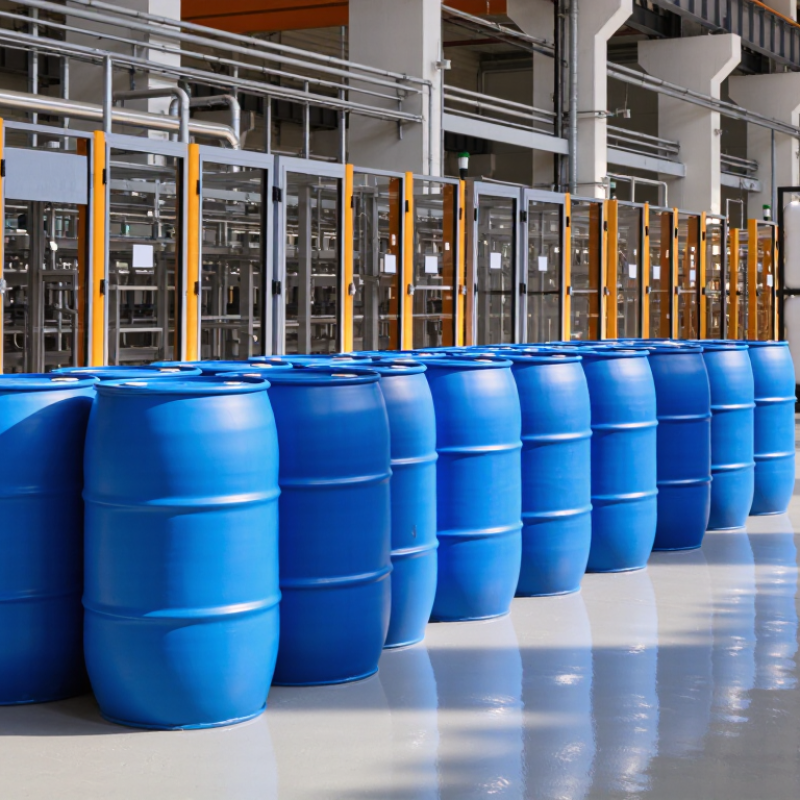
Industrial epoxy resin is a two-component thermosetting material made from resin and a curing agent. When mixed correctly, it forms a hard, cross-linked surface that resists chemicals, moisture, abrasion, and impact. Unlike ordinary paint, it bonds closely with prepared concrete, steel, wood, and composite materials.
Its uses are practical and demanding. In factories, epoxy coatings protect concrete floors from forklifts, oil drips, and repeated washing. In water-treatment facilities, epoxy linings help shield steel tanks and pipes from corrosion. Manufacturers also use it in structural adhesives, electrical encapsulation, machine components, and fiber-reinforced composites. A workshop floor may look smooth after application, yet poor surface preparation can cause peeling within months. Dust matters. So does moisture.
Reliable performance depends on more than product selection. Technicians should check the resin-to-hardener ratio, surface temperature, humidity, curing time, and expected chemical exposure. An incorrect ratio may leave a sticky film or create brittle areas. Ventilation and protective equipment also require careful attention during mixing and application. Industrial specifications, technical data sheets, and local safety requirements should guide the work. Epoxy is durable, but it is not magic. In some applications, flexibility, thermal movement, or prolonged sunlight may reveal limits that were missed during planning.
How to Evaluate China’s Industrial Epoxy Resin Manufacturers
Evaluating China’s industrial epoxy resin manufacturers requires more than comparing price lists. Grand View Research’s 2024 market assessment places the global epoxy resin market above USD 12 billion in 2023, with steady growth expected through 2030. This demand increases supplier competition, but also makes verification essential. Check resin type, epoxy equivalent weight, viscosity, curing behavior, and batch consistency. Ask for recent certificates of analysis, not recycled samples.
Production capability matters. China’s National Coatings Industry Association reported coatings output of about 35.8 million tonnes in 2023. However, total output does not prove epoxy expertise. Visit the plant when possible. Observe sealed raw-material storage, temperature control, laboratory testing, and drum traceability. A reliable manufacturer should explain its quality system against ISO 9001 principles and provide testing methods aligned with ASTM or ISO standards. Request results for viscosity, color, gel time, and non-volatile content.
Small details reveal operational maturity. Can the supplier retain samples for each batch? Can it reproduce a formulation after six months? Ask about technical support during your actual mixing process. A responsive engineer often matters more than a polished catalog. Still, documentation can be incomplete, and factory visits may show only selected areas. That is a weakness worth admitting. Use third-party testing before approving large shipments. Evaluate delivery records, complaint handling, export packaging, and change-control procedures. The best choice is not always the lowest quotation.
China’s Top 10 Industrial Epoxy Resin Manufacturers
China’s Top 10 Industrial Epoxy Resin Manufacturers are best evaluated through production capability, quality control, and application experience. A serious shortlist should include producers of liquid, solid, novolac, and modified epoxy resins. These materials serve coatings, adhesives, electrical insulation, flooring, wind power, and composite components.
The strongest manufacturers usually operate modern reactors, automated filling lines, and dedicated laboratories. They test viscosity, epoxy equivalent weight, color, curing behavior, and thermal resistance. Reliable suppliers also provide batch records and technical data sheets. Some maintain ISO-based quality systems and support export documentation. Factory visits can reveal details that brochures often hide, such as storage conditions, cleanliness, and response speed.
A ranking is never perfect. Capacity figures may change, while regional factories can offer better service than larger producers. Buyers should request recent samples, application trials, and stability data before making a decision. Ask about low-temperature curing, moisture sensitivity, and compatibility with selected hardeners. Small differences matter. In my experience, a resin that performs well in a laboratory may behave differently on a humid production line. Clear communication with process engineers remains essential.
Key Products, Technologies, and Markets of Leading Manufacturers
China’s top ten industrial epoxy resin manufacturers are best compared by product depth, process control, and market evidence, not capacity alone. Their portfolios commonly include liquid and solid bisphenol-A resins, novolac grades, reactive diluents, curing agents, and waterborne systems. Recent Grand View Research data estimates the global epoxy resin market at about USD 11 billion in 2023, with strong growth expected through 2030. This demand favors producers that can maintain stable viscosity, low ionic impurities, and consistent curing performance across batches.
Technology separates leading suppliers. Advanced plants use automated dosing, vacuum dehydration, and online quality monitoring to reduce color variation and gel-time drift. High-purity grades support semiconductor encapsulation, copper-clad laminates, and electrical insulation. Toughened formulations serve wind-turbine blades, rail components, and automotive structures. Fire-retardant and low-VOC systems are gaining attention as environmental requirements become stricter. MarketsandMarkets identifies electronics, construction, transportation, and renewable energy as important epoxy resin application sectors.
Export capability matters too. The top ten typically combine large domestic volumes with technical service for overseas customers. They provide application testing, formulation adjustment, and batch traceability. Yet public rankings remain imperfect. Capacity figures may include planned projects, while reported revenue can mix resins with downstream materials. Buyers should verify certifications, plant audits, defect rates, and delivery records. A low price can hide higher rework costs. That deserves closer review.
Industrial Epoxy Resin Technology Benchmark
Typical glass-transition temperature (Tg) ranges represented by midpoint values for major industrial epoxy technology platforms used across coatings, adhesives, electrical insulation, composites, and civil engineering.
Values are representative engineering ranges compiled from commonly published technical data for generic epoxy systems; actual performance varies with resin chemistry, hardener, fillers, cure schedule, and formulation.
How to Choose the Right Chinese Epoxy Resin Supplier
Choosing among China’s leading industrial epoxy resin manufacturers requires more than comparing price lists. Start with your application: coatings, electrical encapsulation, adhesives, flooring, or composite parts. Each use demands different viscosity, epoxy equivalent weight, curing speed, glass-transition temperature, and chemical resistance.
Ask for a current technical data sheet, safety data sheet, certificate of analysis, and representative batch samples. Ask for evidence. Compare test results under your actual mixing ratio and curing schedule, not only laboratory values. A supplier should explain raw-material controls, batch traceability, storage conditions, and packaging protection. Visit the production site when order volume justifies it. Check clean production areas, calibrated instruments, retained samples, and documented quality procedures. A polished factory tour alone proves little.
Request a small trial before signing a long-term agreement. Measure viscosity at a fixed temperature, gel time, hardness, adhesion, and surface appearance. Keep records with photographs and test dates. Confirm lead times, minimum order quantities, export documents, and technical support in writing. Communication speed matters when a resin arrives too thick or cures unevenly. One common purchasing mistake is trusting a low price before checking yield and rework costs. I would also avoid treating certifications as automatic proof of consistency. They help, but they do not replace batch testing. No checklist is perfect. Build a second-source plan, because even reliable suppliers can face raw-material delays, equipment maintenance, or seasonal logistics pressure.